José Carlos Rico Fernández
Full professor
985 18 20 62
ORCID code: 0000-0002-8646-0002
Short CV
J. C. Rico received his MSc in Industrial Engineering in 1985 and his PhD in 1990, both from the University of Oviedo, Spain. He joined the Department of Construction and Manufacturing Engineering at the same university in 1986, where he currently holds a professorship in Manufacturing Engineering. His research interests include inspection and non-contact digitizing process planning, the characterization of measuring and digitizing equipment, and the integration of such equipment into process machines ( CNC, CMM and AM). He has participated in more than 15 research projects as principal investigator, supervised 9 PhD theses, and published over 130 scientific contributions, including articles in indexed journals and conference papers. Since 2014, he has coordinated the PhD Programme in Production, Mining and Environmental Engineering, and Project Engineering at the University of Oviedo. Since its official approval in 2023, he has also served as Director of the EPMAN Research Group at the same university. He is a member of the Society of Manufacturing Engineers (SIF) and regularly serves as a reviewer for several international scientific journals.
Private Funding Project
Abstract This project provided technological support for the development of an optical human face digitization system aimed at customizing 3D-printed oronasal masks. Two acquisition strategies (simultaneous and progressive) were analyzed and compared. A test bench incorporating simplified prototypes was designed and built, and different configurations were evaluated against standardized NIOSH [...]
Private Funding Project
Abstract This project investigated and evaluated how to automatically generate a customized oronasal mask (PPE) model adapted to each user’s face, based on facial scanning data and a generic model designed for additive manufacturing using an elastic material. The work covered the characterization of the resulting point clouds and the [...]
Private Funding Project
Abstract In this project, EPMAN provided technical assistance for the operation of FabLab Asturias, a laboratory belonging to the global Fab Lab network dedicated to digital fabrication. The support involved maintaining a continuous presence of qualified technical staff at the facilities to supervise and carry out routine tasks such as [...]

PhD Thesis
Abstract Filament-based material extrusion has evolved from a low-cost prototyping technique into a manufacturing process increasingly considered for functional and quality-critical applications. However, its industrial adoption remains constrained by a persistent traceability gap between planned process parameters and final part outcomes. During fabrication, heterogeneous monitoring data (logs, images, point clouds, [...]
Conference
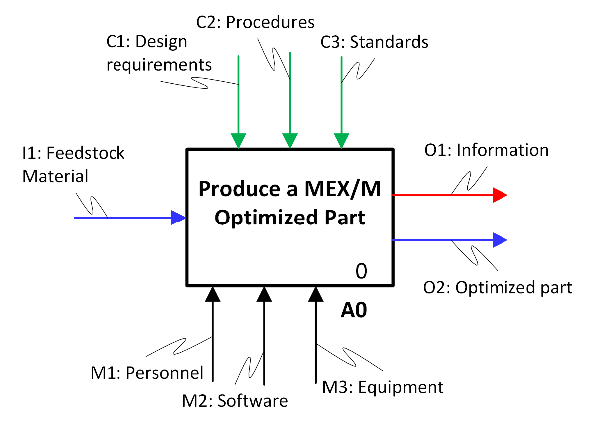
Abstract Despite its advantages, metal additive manufacturing (AM) remains challenging due to the numerous interacting factors that influence part quality. The lack of effective tools for correcting geometric deviations highlights the need for integrated approaches that combine data from different stages of the manufacturing process. This work proposes an activity [...]
Journal
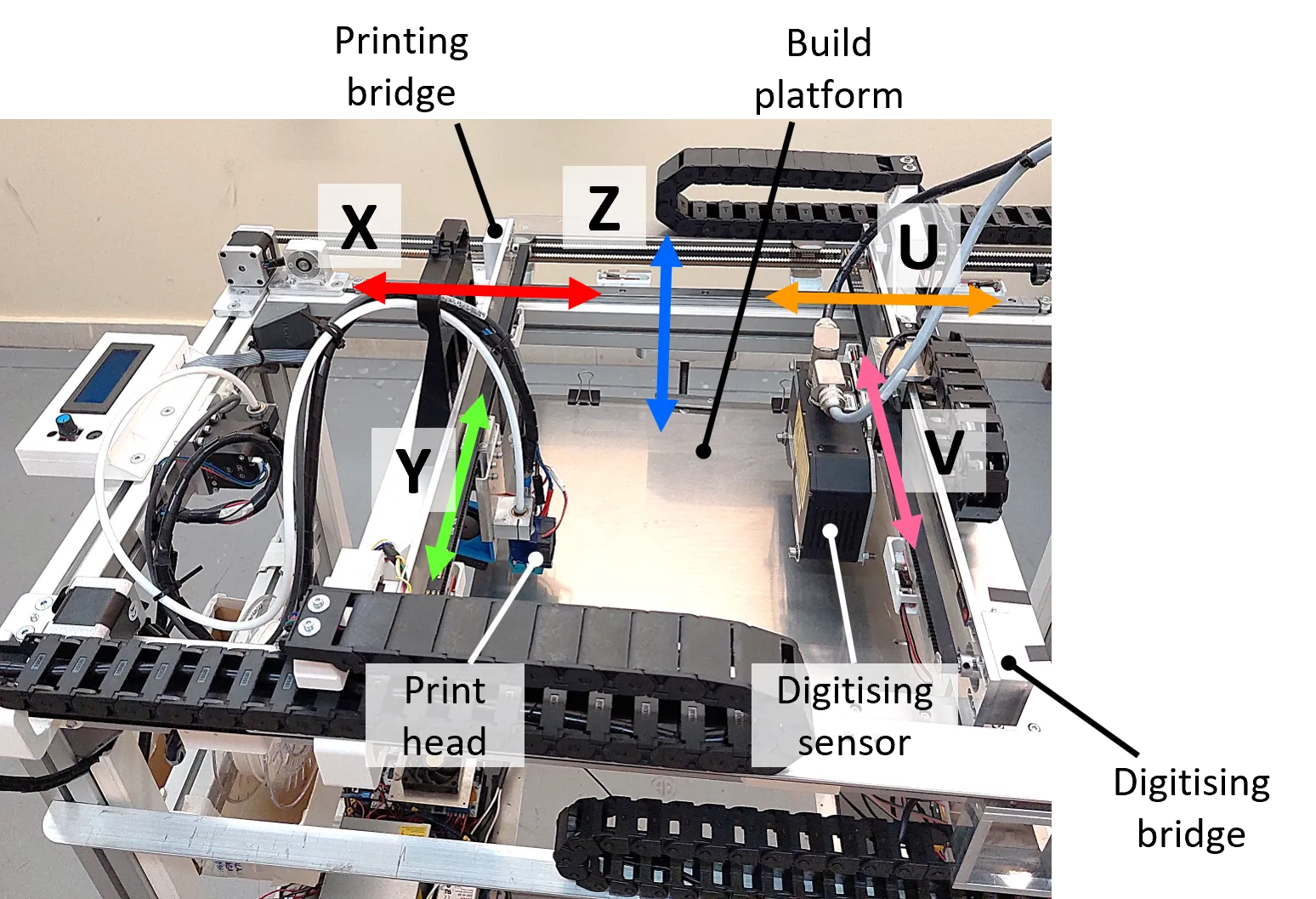
Abstract Additive manufacturing (AM) has faced challenges in achieving the part accuracy required for industrial adoption. Most research has focused on offline inspection of geometric deviations in test parts. This paper introduces a novel approach to enhance part accuracy and process control in Polymer Extrusion AM (MEX/P) by integrating in-situ [...]

Public Funding Project
Abstract The project aims to develop and optimize the additive manufacturing of metal parts using Metal Extrusion (MEX/M) as an alternative to conventional metal powder-based technologies, with the goal of reducing costs, energy consumption, and the risks associated with the handling of raw materials. The process uses filaments composed of [...]
Public Funding Project
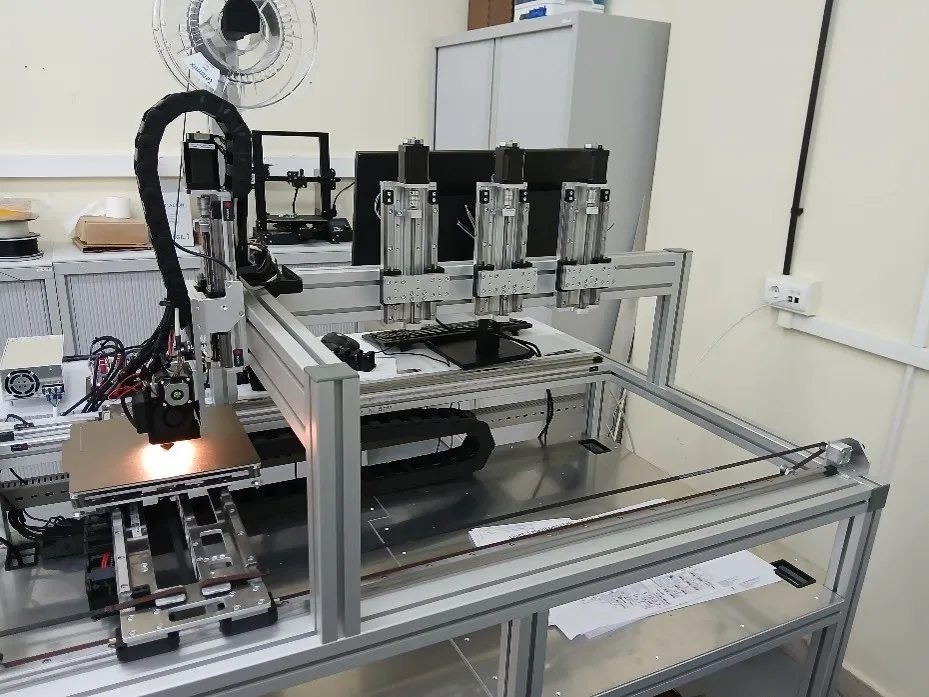
Abstract The processes utilized for Additive Manufacturing (AM) production of metallic parts usually entail the use of hazardous feedstocks, expensive production equipment, and high energy consumption. Metal Material Extrusion AM (MEX/M) presents an alternative multi-step approach that addresses these challenges by additively extruding polymer-metal composite filaments, constructing a green part. [...]
Journal
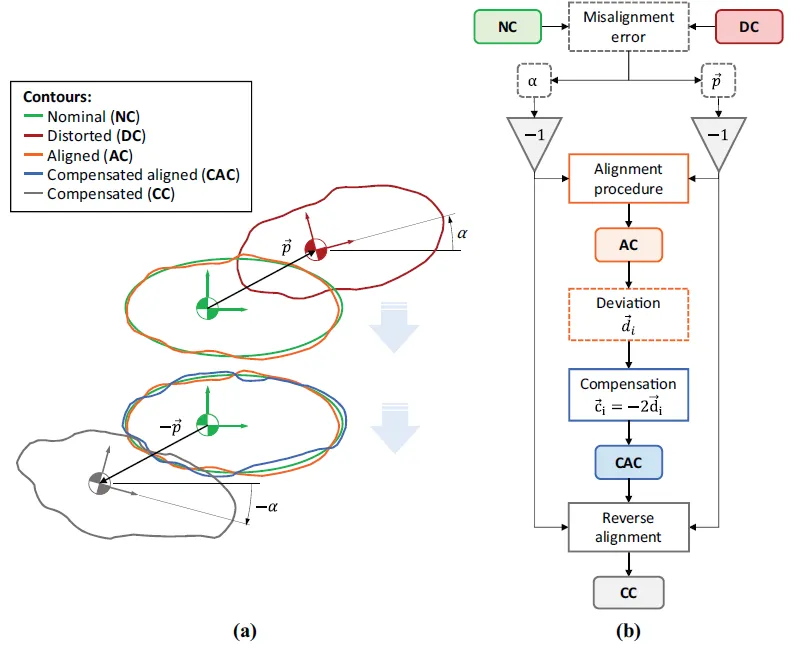
Abstract The purpose of this paper is to provide a new procedure for in-plane compensation of geometric errors that often appear in the layers deposited by an additive manufacturing (AM) process when building a part, regardless of the complexity of the layer geometry. The procedure is based on comparing the [...]
PhD Thesis
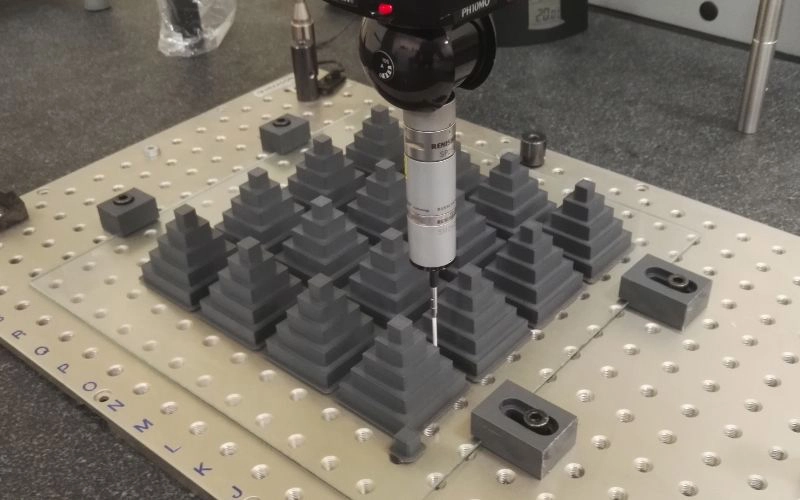
Type: PhD Title: Compensation of geometrical errors of parts obtained by fused filament additive fabrication Author: F. Peña Supervisor: J.C. Rico; G. Valiño Related Project: DPI2017-83068-P Date: 19/10/2023
PhD Thesis
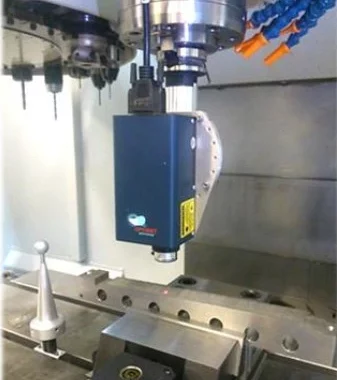
Abstract This Doctoral Thesis investigates the feasibility of integrating non-contact sensors based on Conoscopic Holography (CH) technology into CNC production machines for inspection and verification tasks. A practical integration methodology was developed, comprising three levels: physical installation of the sensor, calibration of the machine-sensor system, and automation of the measurement [...]
Conference
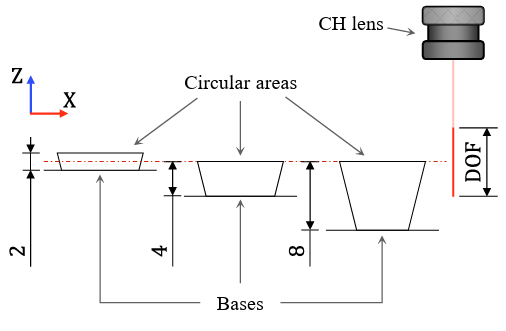
Abstract The lack of standardisation and persistent part-quality issues in additive manufacturing have highlighted the need for in-situ monitoring techniques based on different types of sensors. Each sensing technology offers specific advantages and limitations depending on the characteristics of the features to be analysed. This study investigates the feasibility of [...]
Conference
Abstract Despite the advantages of additive manufacturing, its industrial adoption remains limited by challenges related to part quality. As this quality is influenced by numerous factors, layerwise in-situ inspection has attracted increasing research interest as a means of detecting deviations during manufacturing and improving the quality of the final part. [...]
Conference
Abstract Currently, fused filament fabrication (FFF) additive manufacturing processes are limited by the dimensional and geometrical inaccuracies of manufactured parts. The need to make these technologies more competitive with conventional manufacturing processes has motivated numerous studies aimed at correcting manufacturing errors. To address this issue, this work proposes an online [...]
Conference
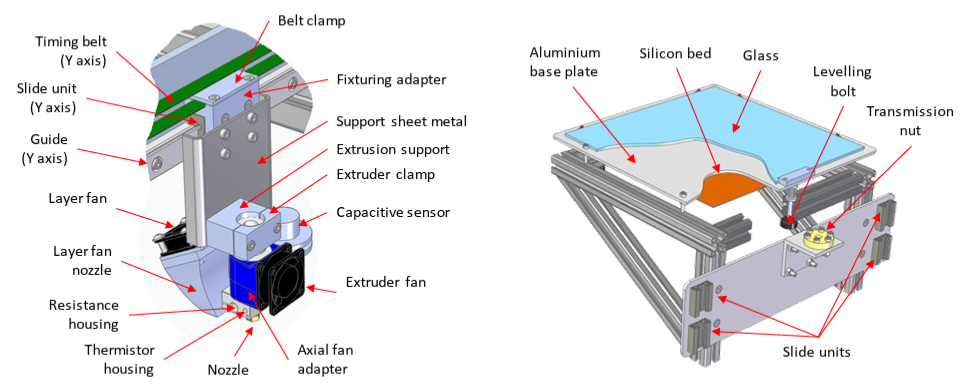
Abstract Industrial application of additive manufacturing (AM) technologies is subjected to limitations related to the lack of dimensional and geometrical accuracy of manufactured parts. Many works were dedicated to improve quality of parts manufactured by AM, but integrated solutions in commercial-type AM machines have not been achieved yet. With this [...]
Conference
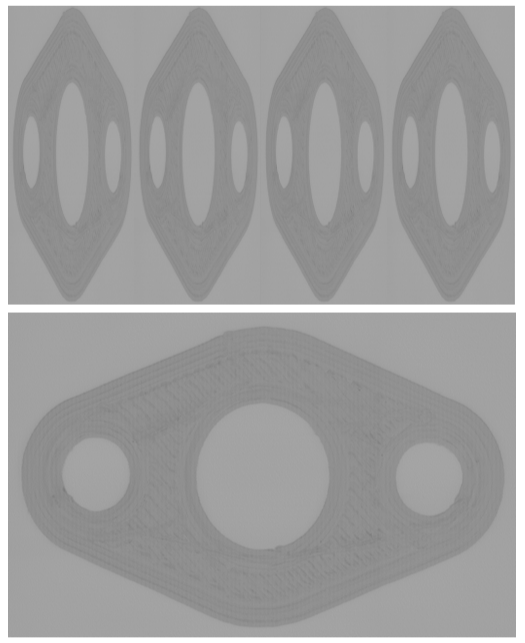
Abstract One of the limiting factors for industrial application of additive manufacturing (AM) is the lack of geometrical accuracy of manufactured parts. To improve precision, non-contact sensors should be integrated into AM machines, capable of performing in-situ inspection of the part and being able to detect and compensate for the [...]
Conference
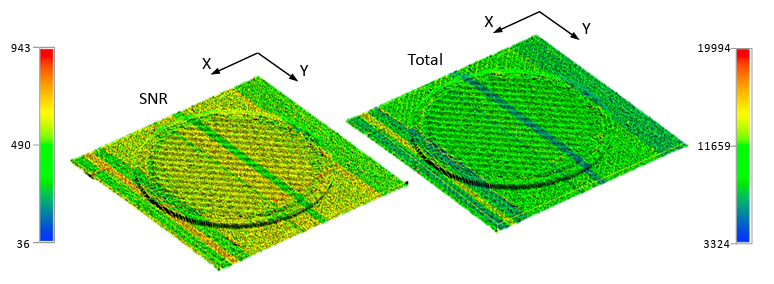
Abstract To reduce geometrical errors in AM parts, use of inspection systems becomes essential. In this work, a non-contact inspection technique based on conoscopic holography (CH) for digitizing PLA parts produced by FFF on different colours and thicknesses is analysed. Tests were performed to check the quality of digitized point [...]
Degree Thesis
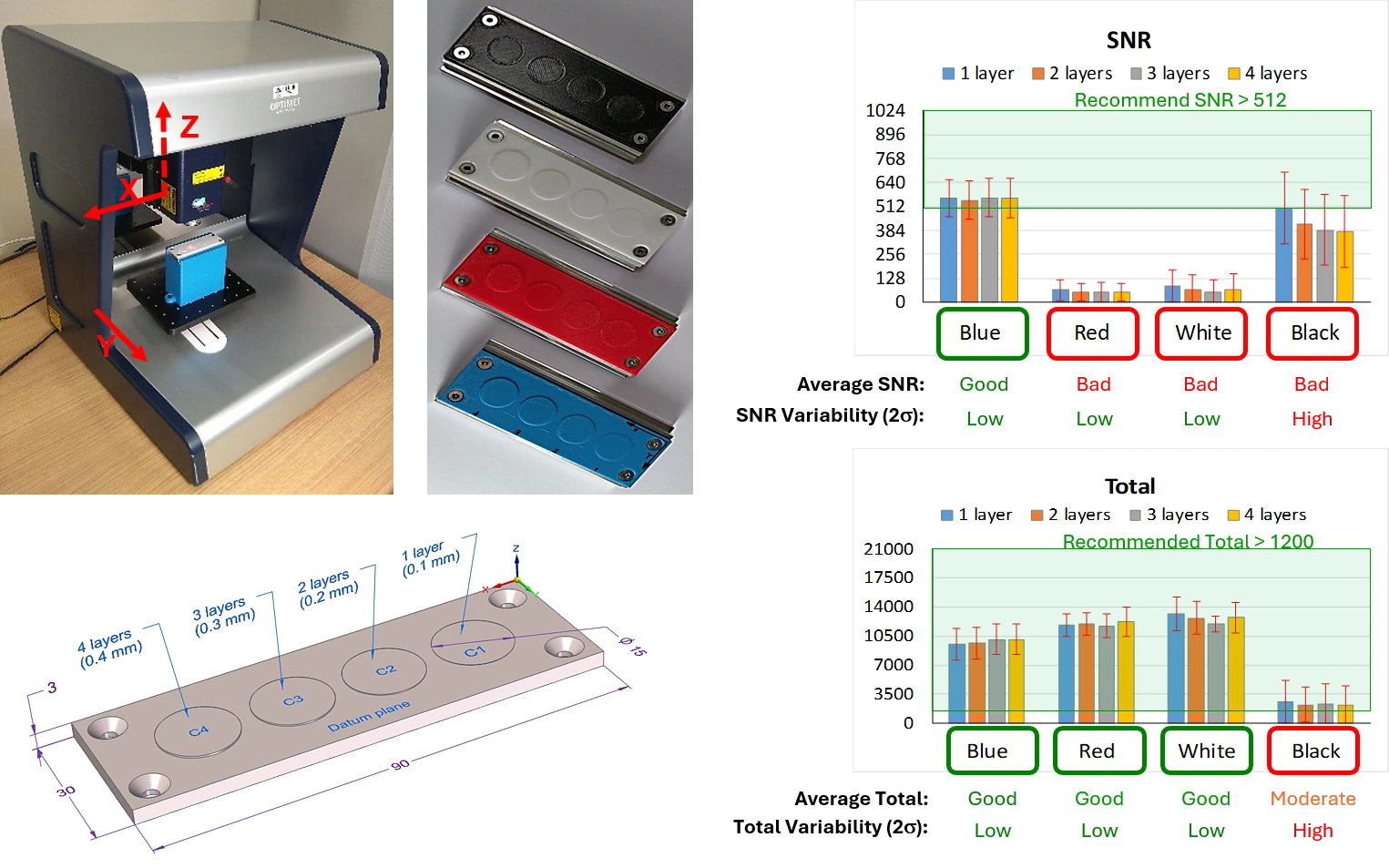
Abstract This study evaluated the capability of conoscopic holography (CH) to digitise and geometrically analyse PLA surfaces of different colours and thicknesses, manufactured using FFF. The results show a clear influence of the material colour on the quality of the digitisation. The blue specimens provided the best results, allowing all [...]
Public Funding Project
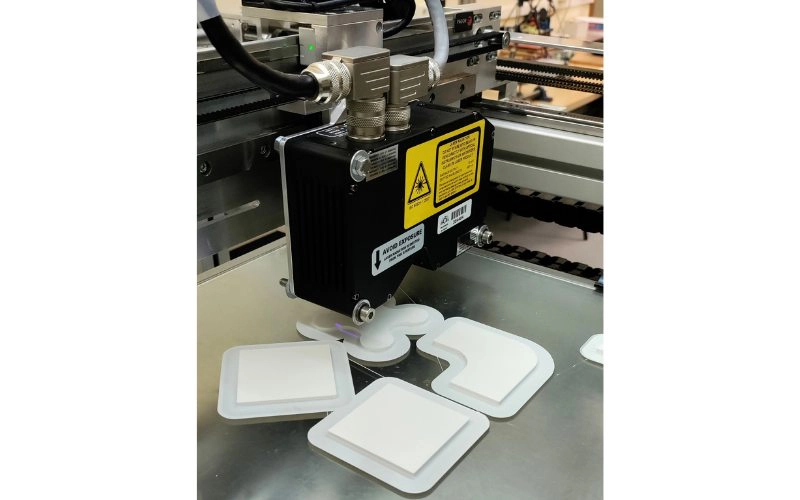
Abstract: Additive manufacturing processes are opening up a world of possibilities towards obtaining parts with complex geometry and adjustable properties. Its impact in sectors such as biomechanics, energy or aerospace is already appreciable, but the forecasts point to a real revolution linked to the development of different technologies of additive [...]
Public Funding Project
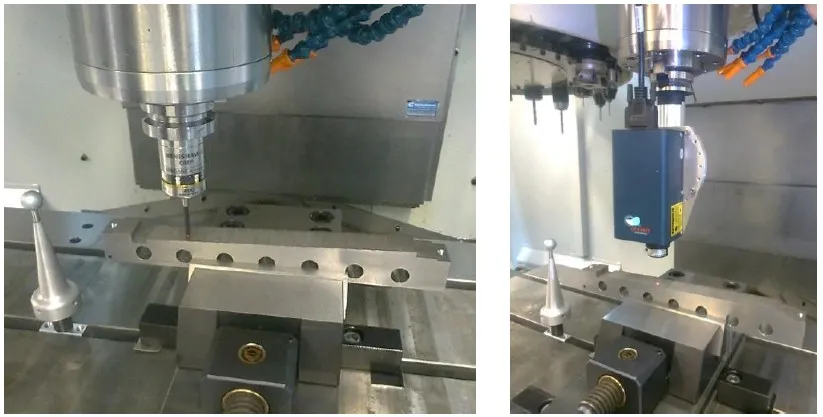
Abstract The project aims to develop an integrated manufacturing and non-contact dimensional inspection system using sensors based on Conoscopic Holography (CH). To this end, these sensors will be integrated into machine tools, initially three-axis machines, by developing the necessary mounting, communication, control, and calibration systems, as well as studying their [...]
Conference
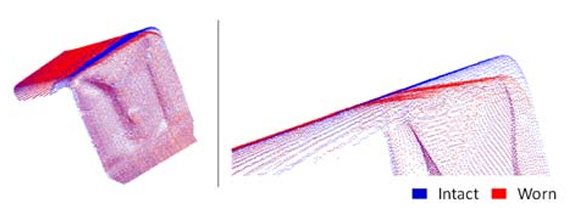
Abstract The ability of Conoscopic Holography (CH) to provide accurate digitizing of tool wear is analysed in this work. Firstly, test have been conducted to check out the performance of the sensor when digitizing inserts without chip breaker geometry, which have been artificially worn using electro-discharge machining (EDM). A methodology [...]
Journal
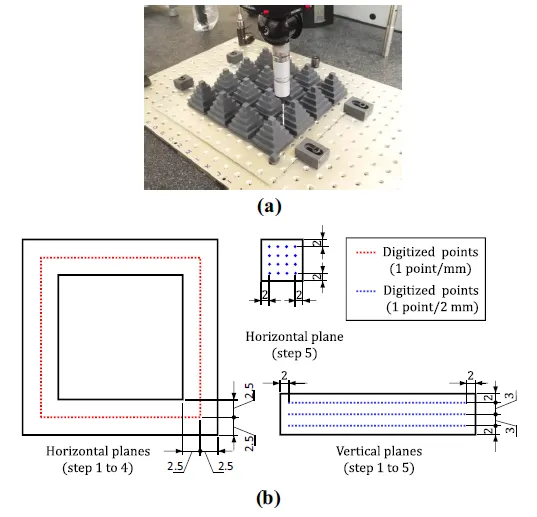
Abstract The lack of geometric and dimensional accuracy of parts produced by additive manufacturing (AM) is directly related to the machine, material and process used. This paper aims to propose a method for the analysis and compensation of machine-related geometric errors applicable to any AM machine, regardless of the manufacturing [...]
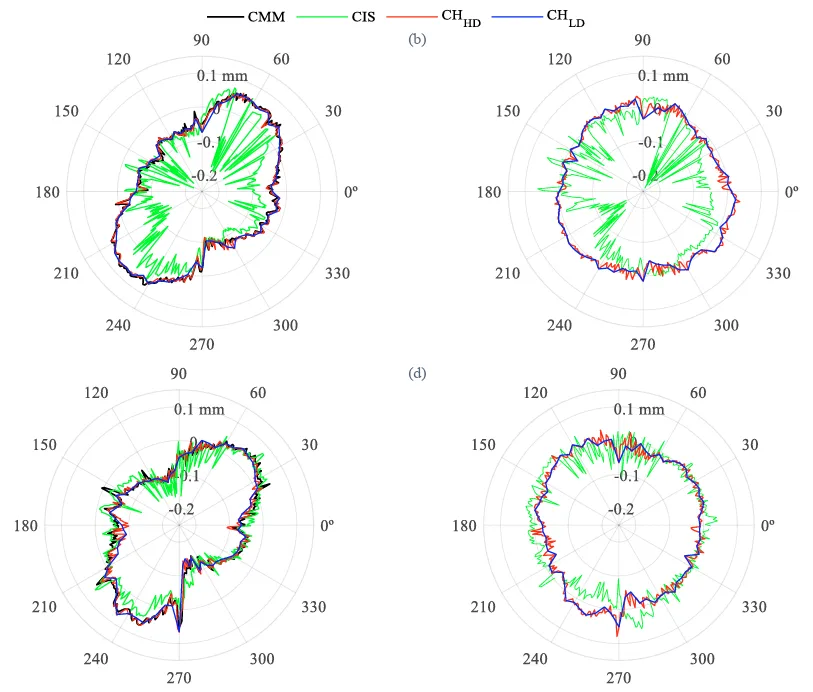
Journal
Abstract The lack of standardization and the low quality of parts produced by Additive Manufacturing requires in certain cases the use of in-situ monitoring techniques based on the use of different types of sensors, each of which has advantages and disadvantages depending on the type and nature of the signatures [...]
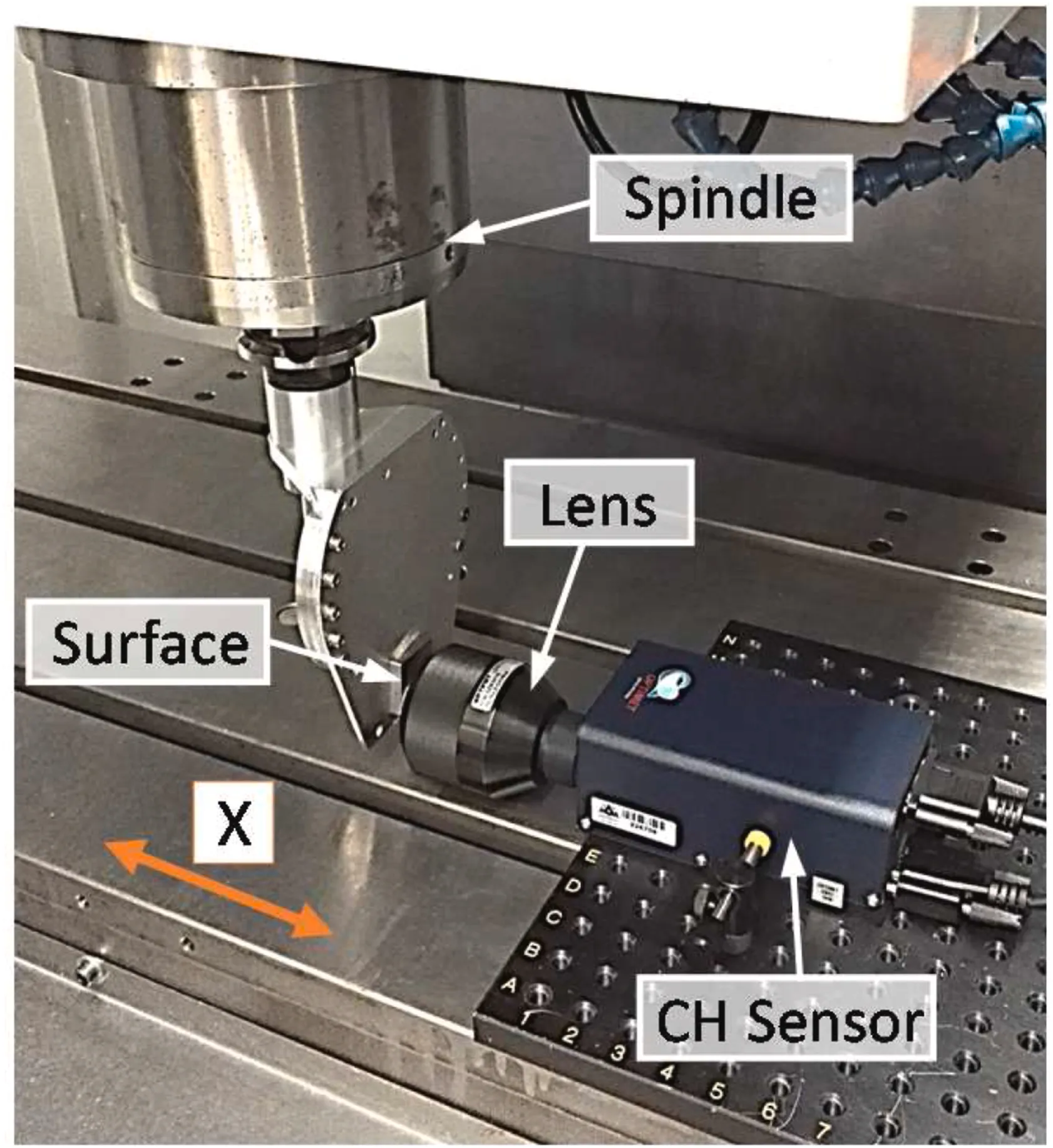
Journal
Abstract The surface quality verification of mechanical components is an essential activity in many applications where surface performance plays an important role in the functional behaviour of the part. Although many of the verification techniques commonly employed are based on the use of contact roughness profilometers, there are some limitations [...]
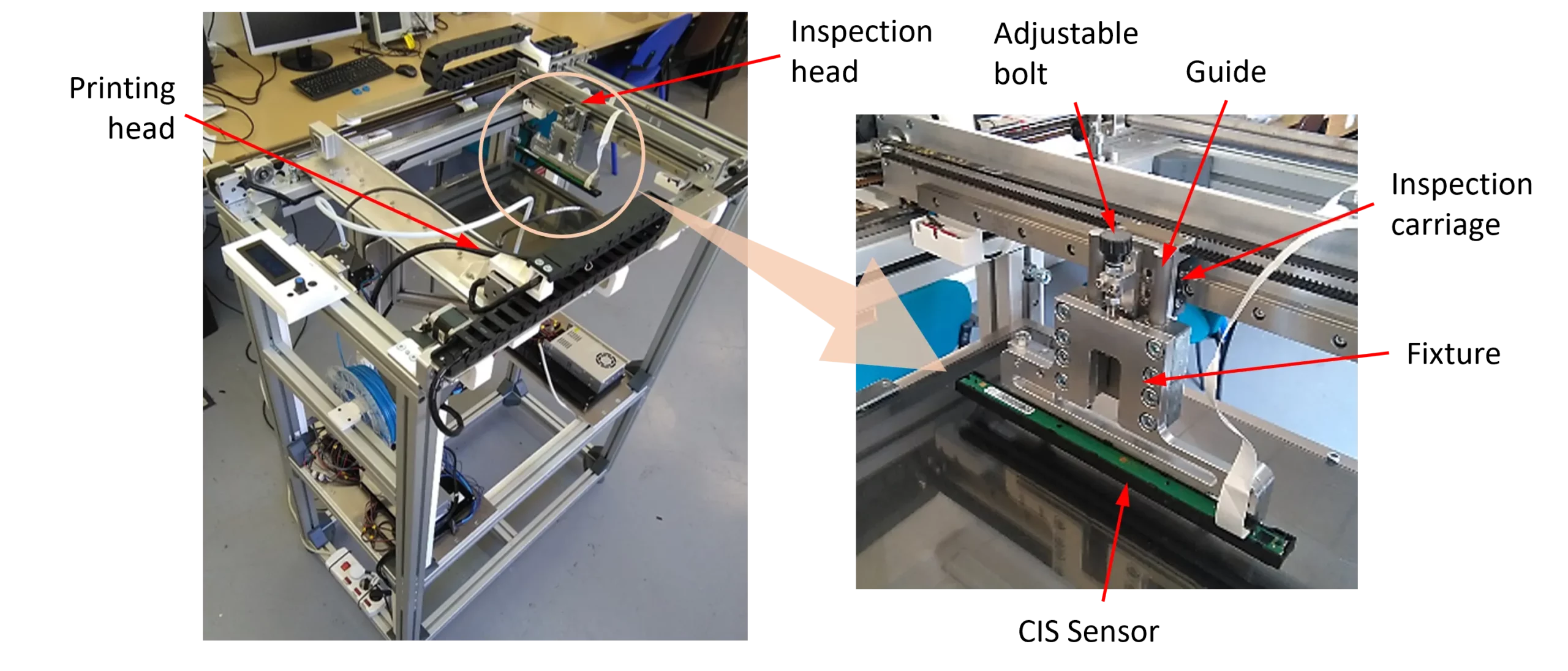
Journal
Abstract A notable constraint to the industrial application of additive manufacturing processes is the lack of geometric accuracy of the parts produced. In-situ inspection systems, therefore, need to be developed to detect and compensate for any geometric deviations that appear during the process. This article proposes a noncontact system for [...]
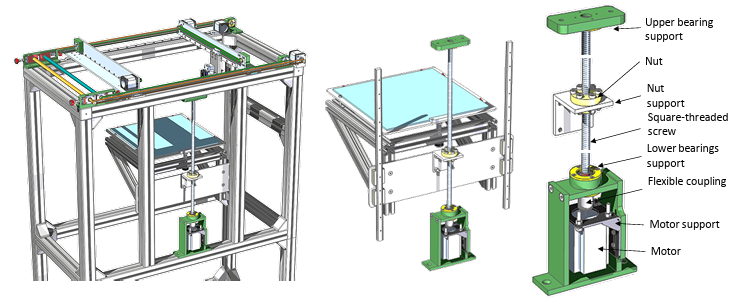
Journal
Abstract Industrial application of additive manufacturing (AM) technologies is subjected to limitations related to the lack of dimensional and geometrical accuracy of manufactured parts. Many works were dedicated to improve quality of parts manufactured by AM, but integrated solutions in commercial-type AM machines have not been achieved yet. With this [...]
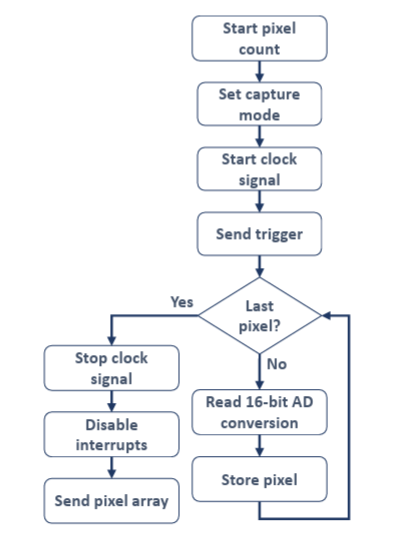
Journal
Abstract One of the limiting factors for industrial application of additive manufacturing (AM) is the lack of geometrical accuracy of manufactured parts. To improve precision, non-contact sensors should be integrated into AM machines, capable of performing in-situ inspection of the part and being able to detect and compensate for the [...]
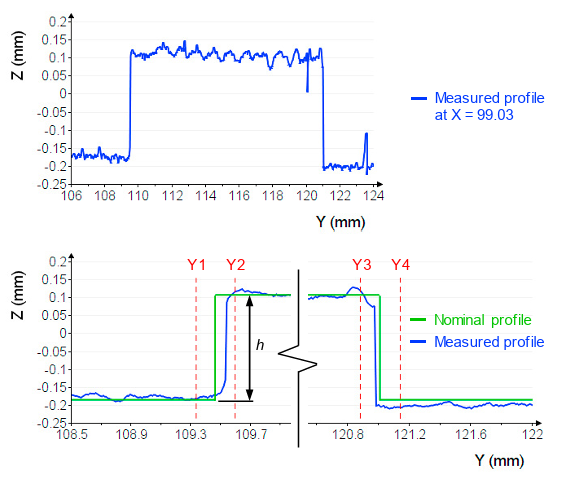
Journal
Abstract Flatbed scanners (FBSs) provide non-contact scanning capabilities that could be used for the on-machine verification of layer contours in additive manufacturing (AM) processes. Layer-wise contour deviation assessment could be critical for dimensional and geometrical quality improvement of AM parts, because it would allow for close-loop error compensation strategies. Nevertheless, [...]
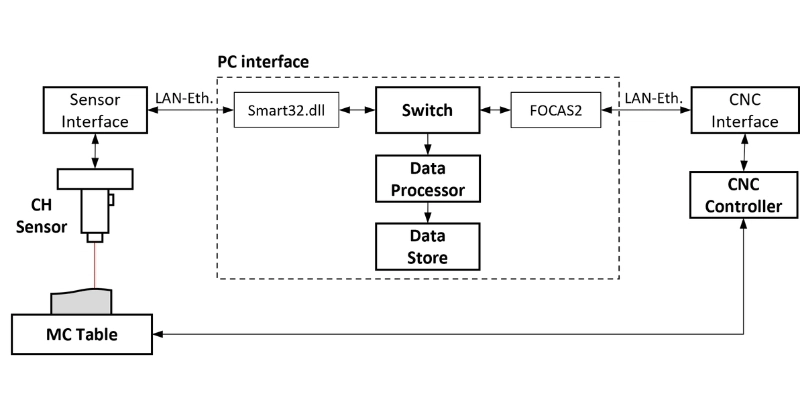
Journal
Abstract: This paper presents the integration of a conoscopic holography sensor (CH) in a machining centre (MC) by means of a centralized control on the machine’s CNC (CNC centralized control). Besides the installation and extrinsic calibration of the sensor, the primary focus is the automation of the freeform digitizing process on the MC itself. [...]
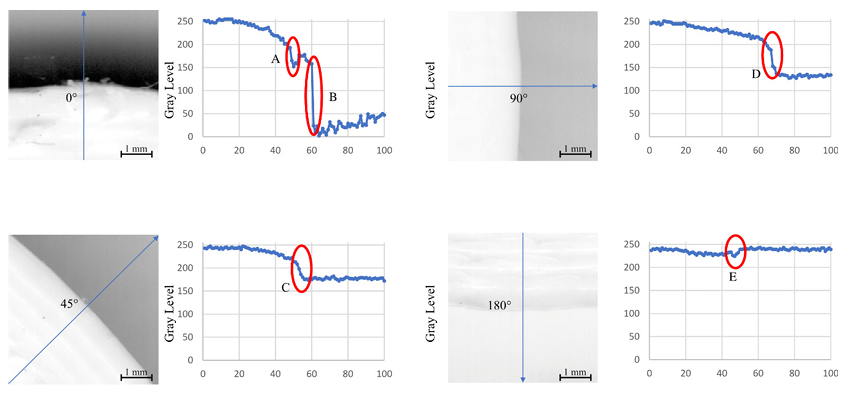
Journal
Abstract To reduce geometrical errors in AM parts, use of inspection systems becomes essential. In this work, a non-contact inspection technique based on conoscopic holography (CH) for digitizing PLA parts produced by FFF on different colours and thicknesses is analysed. Tests were performed to check the quality of digitized point [...]
Journal
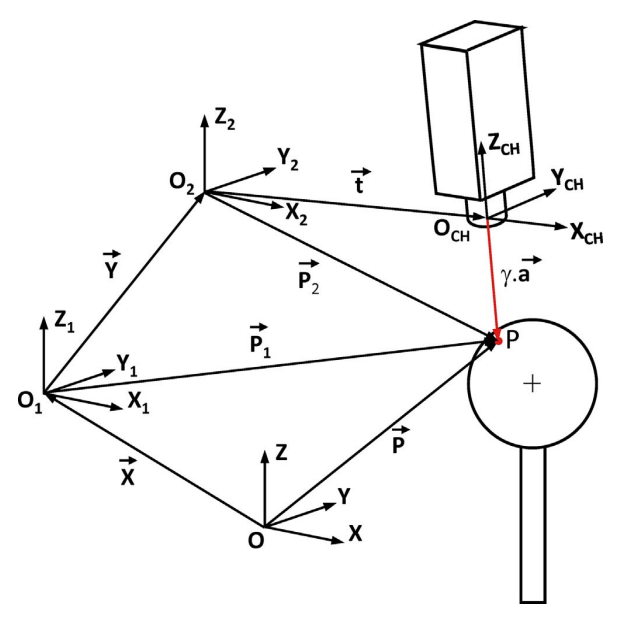
Abstract In the present work, a procedure for extrinsic calibration of a 1D conoscopic holography sensor integrated in a CMM was developed, whereby it is possible to relate the coordinates of points captured by the sensor with the coordinate system of the machine. The procedure uses the information of the [...]
Journal
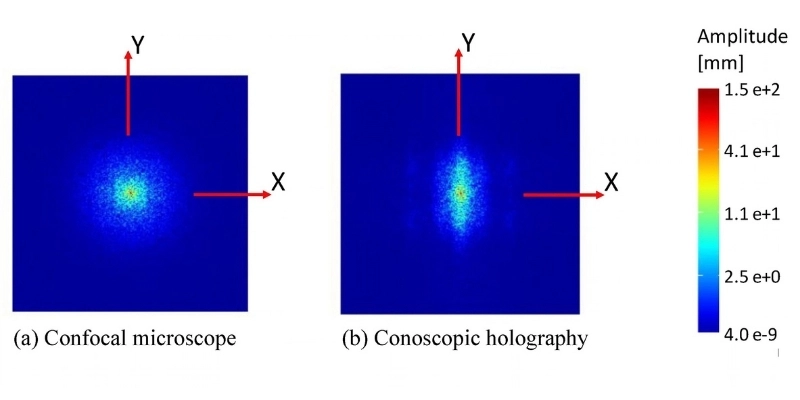
Abstract: This work analyses the directional effect shown by the high-density point clouds digitized with a conoscopic holography (CH) sensor. The asymmetric shape of the laser spot for this sensor yields directionality to appear along the largest spot dimension and to occur repeatedly under different working conditions. To study this effect, several digitizing tests [...]
Conference
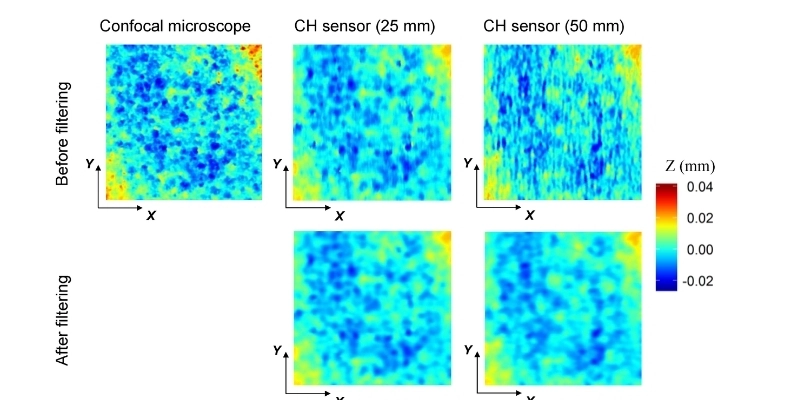
Abstract: This work analyses the directional effect shown by the point clouds when digitizing with a conoscopic holography (CH) sensor. The asymmetric shape of the laser spot for this sensor yields that directionality appears along the greatest spot length and it occurs repeatedly under different working conditions. To study this [...]
Journal
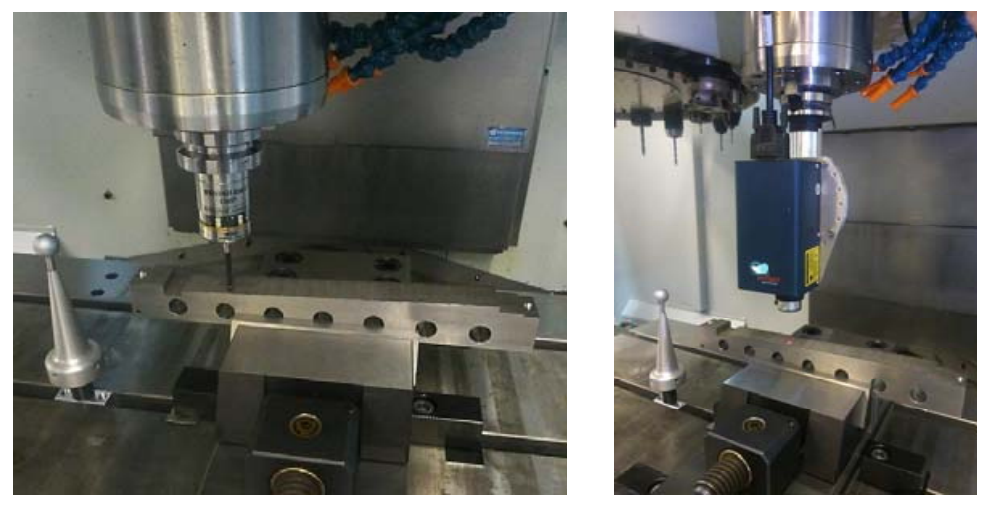
Abstract A conoscopic holography sensor (CH) integrated in a machining centre was used to analyse how the scanning strategy affects distance measurements between planes and to the reconstruction of a digitised surface. Distance measurement tests were conducted on a stepped specimen whereas the surface reconstruction was studied on a cylindrical [...]
Journal
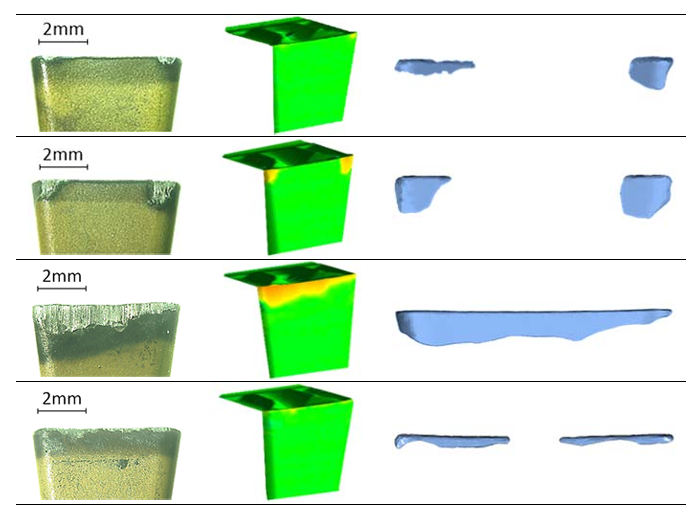
Abstract The ability of Conoscopic Holography (CH) to provide accurate digitizing of tool wear is analysed in this work. Firstly, test have been conducted to check out the performance of the sensor when digitizing inserts without chip breaker geometry, which have been artificially worn using electro-discharge machining (EDM). A methodology [...]
Journal
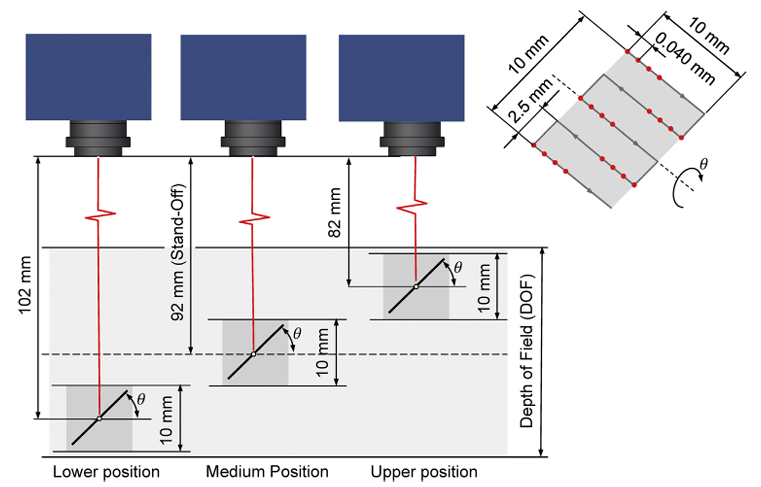
Abstract Conoscopic Holography (CH) is a non-contact interferometric technique used in surface digitizing. Similarly to other laser techniques it is influenced by the optical behaviour of the part surface and the conditions during scanning (geometry, strategy, etc.). In this work, a CH system and a touch probe (TP) integrated in [...]
Public Funding Project
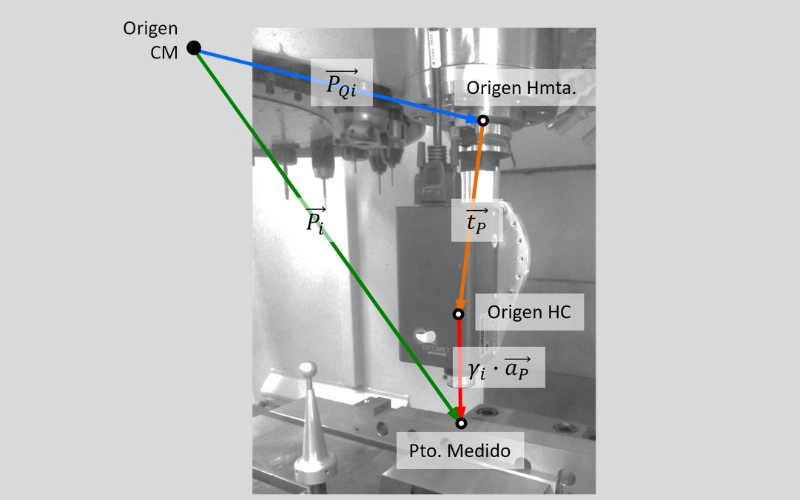
Abstract: The current productivity requirements to facilitate the rapid delivery of high-quality products to market in which the accuracy achieved in the manufacturing plays a prominent role, have promoted significant advances in the machining and inspection phases on CNC machines. On Machine Measuring techniques (OMM) stands out among these advances, [...]
Public Funding Project
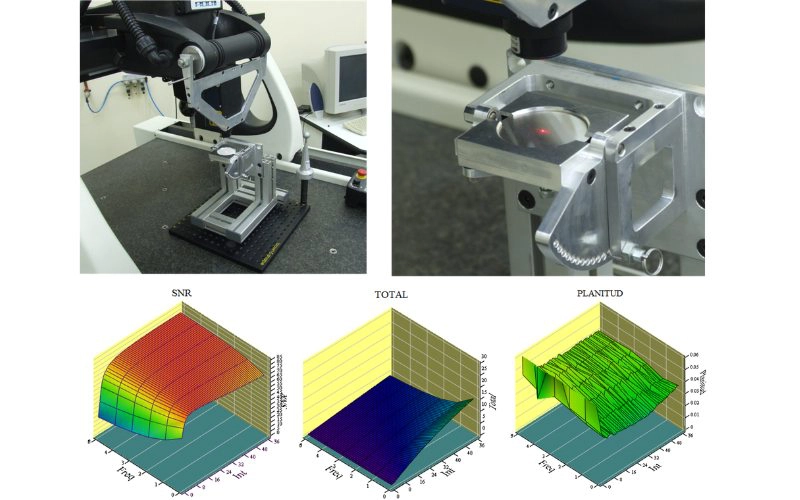
Abstract: The current requirement of precision on freeform surface machining, as well as productivity necessities which facilitate the supply of high-quality products to the market, have promoted an important progress on integration of machining and inspection stages on machining centres. On Machine Measuring techniques (OMM) stand out among these advances, [...]