Fernando Peña Cambón
Assistant Lecturer
+34 985182444
ORCID code: 0000-0002-7379-8362
Short CV
Fernando Peña earned a BSc in Mechanical Engineering (2017) and an MSc in Mechatronic Engineering (2019) from the University of Oviedo, Spain. In 2023, he completed a PhD at the same institution, focusing on the detection and compensation of geometric errors in additive manufacturing (AM). He is currently an Assistant Lecturer in the area of Graphic Expression in Engineering.

Public Funding Project
Abstract The CAFAMEX project investigates the additive manufacturing of metal components using material extrusion of a thermoplastic feedstock loaded with metal particles (MEX-TRB/M). This technology enables the production of metal parts using equipment that is less costly and less complex than that required by other metal additive manufacturing processes. The [...]
Conference
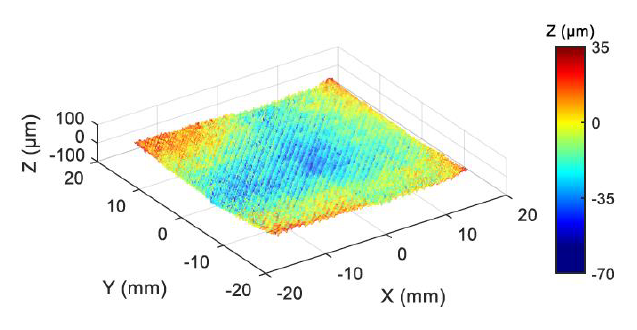
Abstract This study investigates the influence of machine selection and process parameters on the surface roughness (Ra) of parts manufactured using an Anycubic Vyper, an Ultimaker S5, and a custom-built test bench. Specimens measuring 40 × 40 × 10 mm were fabricated using a Design of Experiments (DoE) approach, varying [...]
Conference
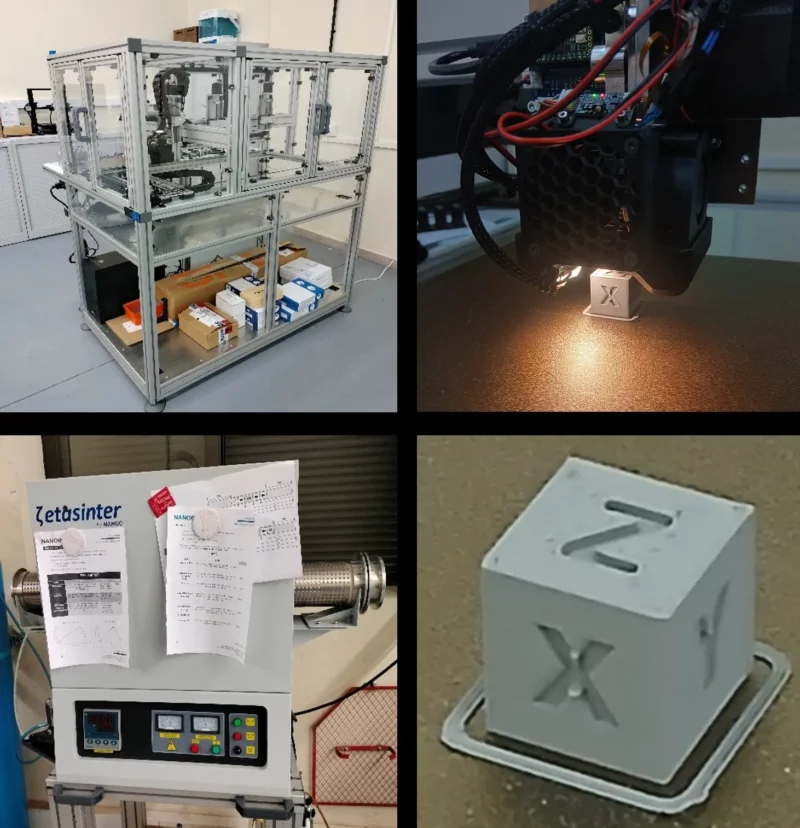
Abstract This study compares the accuracy and resolution of parts fabricated by fused deposition modeling (FDM) using 100 vol% polylactic acid (PLA) filaments and ceramic filaments containing 45 vol% Al₂O₃ and 55 vol% polyolefin binder. Test artifacts were manufactured and evaluated according to ISO 52902:2023. Dimensional accuracy was assessed along [...]
Conference
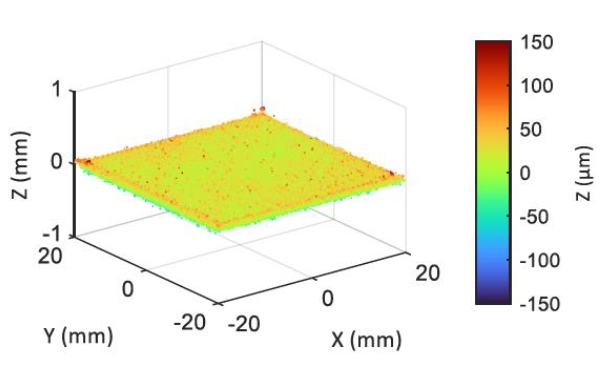
Abstract This study evaluates two non-contact sensors for characterizing the surface topography of parts manufactured by Material Extrusion of Polymers (MEX/P): a ConoPoint-10 conoscopic holography sensor (CH) and a Gocator 2410 laser line profile sensor (LTS). Seven 40 × 40 × 10 mm prismatic specimens made from different technical-grade polymers [...]
Journal
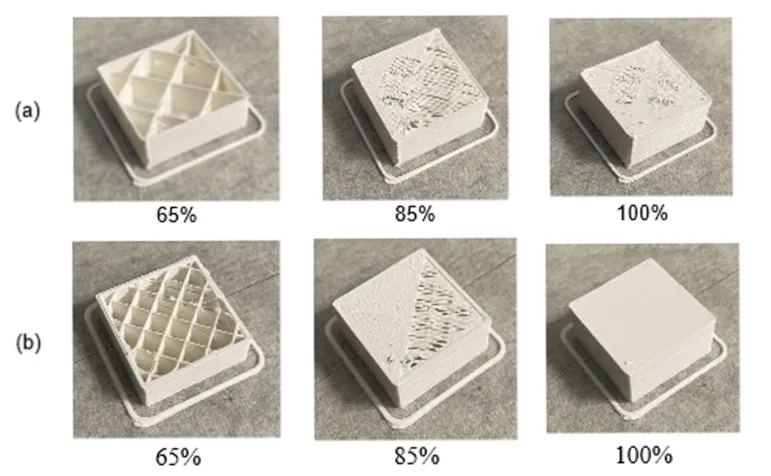
Abstract Ceramic materials are gaining relevance in Additive Manufacturing (AM), although the lack of standardized process parameters limits the repeatability and comparability of printed parts. This study proposes an optimization procedure for the fabrication of alumina (Al₂O₃) components using Fused Deposition Modelling (FDM) with a ceramic–polymer composite filament. The methodology [...]
Private Funding Project
Abstract The company DOGRAM is involved in an international CDTI project, entitled PV-Box-Grow, in which it provides support for the assembly and dimensional verification of large-scale structures for mounting marine solar panels. The project combines “hybrid” non-contact measurements obtained using different reverse-engineering technologies and equipment (3D laser sensors mounted on [...]
Degree Thesis
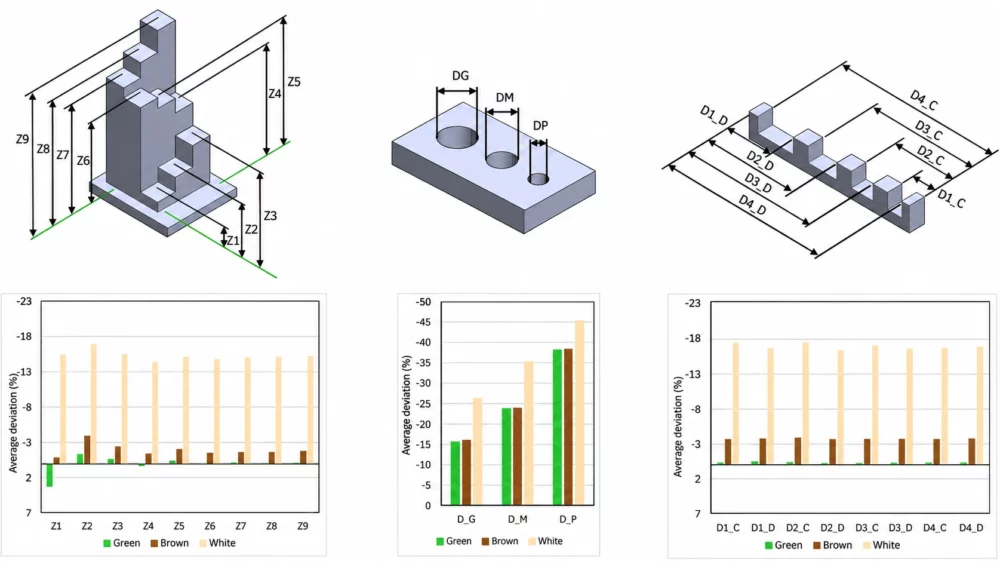
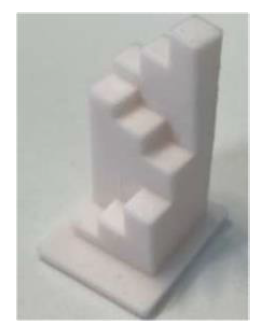
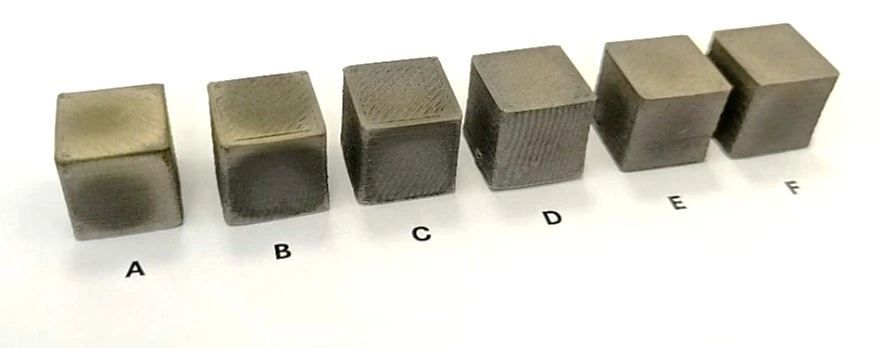
Abstract This Final Degree Project investigates the influence of furnace position and printing infill percentage on the geometrical quality and density of parts manufactured by MEX-TRB/M using Zetamix 316L material from Nanoe. To this end, the evolution of the specimens in the green, brown and white states is characterised through [...]
Journal
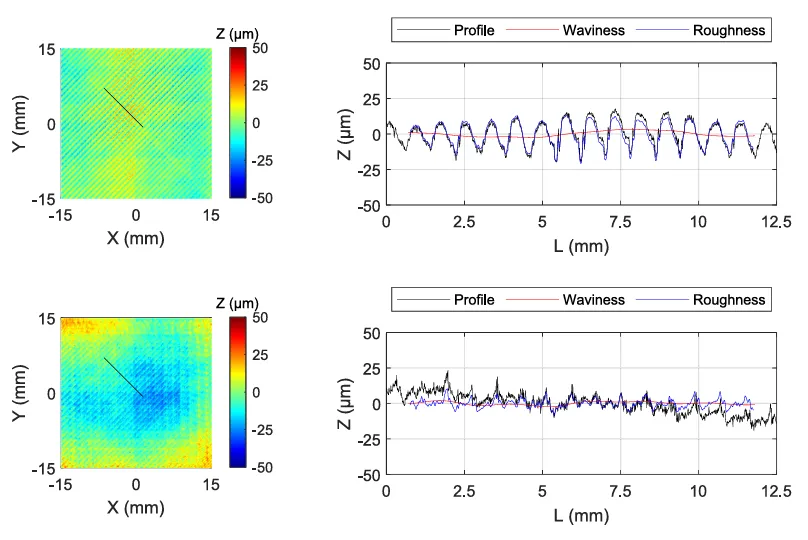
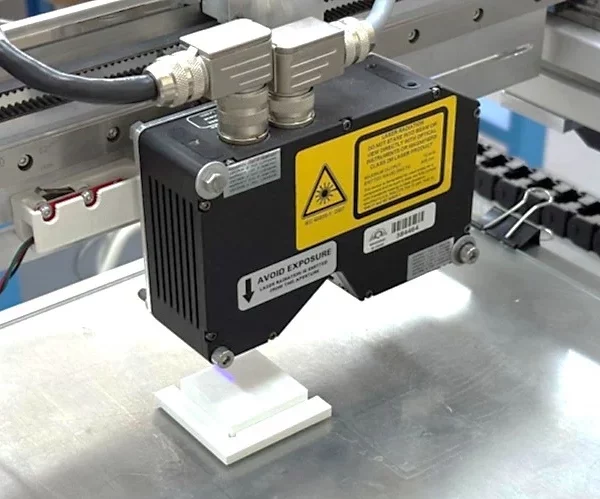
Abstract Surface quality in material extrusion of polymers (MEX/P) plays a critical role in determining the functional performance of printed parts, especially in components that must work together and in sectors such as medical and aerospace. Predicting surface quality before printing shall be therefore considered a convenient capacity. Nevertheless, while [...]
Degree Thesis
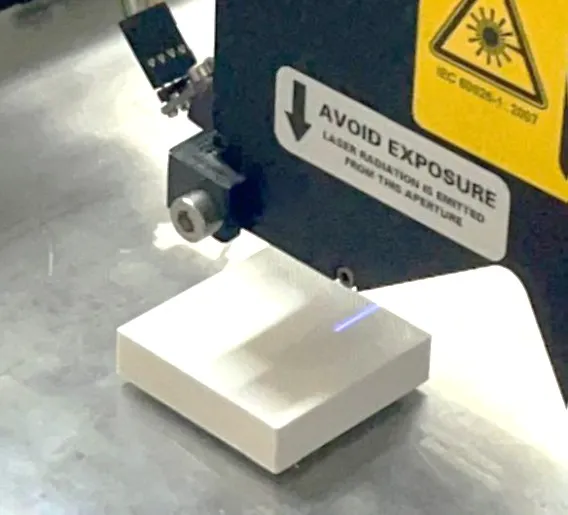
Abstract This Final Degree Project investigates the areal characterisation of the surface topography of parts manufactured by thermoplastic material extrusion (MEX-TRB/P), using a laser line triangulation sensor to obtain three-dimensional surface data and analyse their relationship with printing parameters. Based on an experimental design involving PLA specimens, the influence of [...]
Degree Thesis
Abstract This Final Degree Project evaluates the feasibility of using a non-contact optical sensor based on laser-line triangulation to characterise the topography of parts manufactured by thermoplastic material extrusion (MEX-TRB/P). Integrated into a surface digitisation and analysis strategy, the system enables process-related features to be detected, over-extrusion and under-extrusion phenomena [...]
Journal
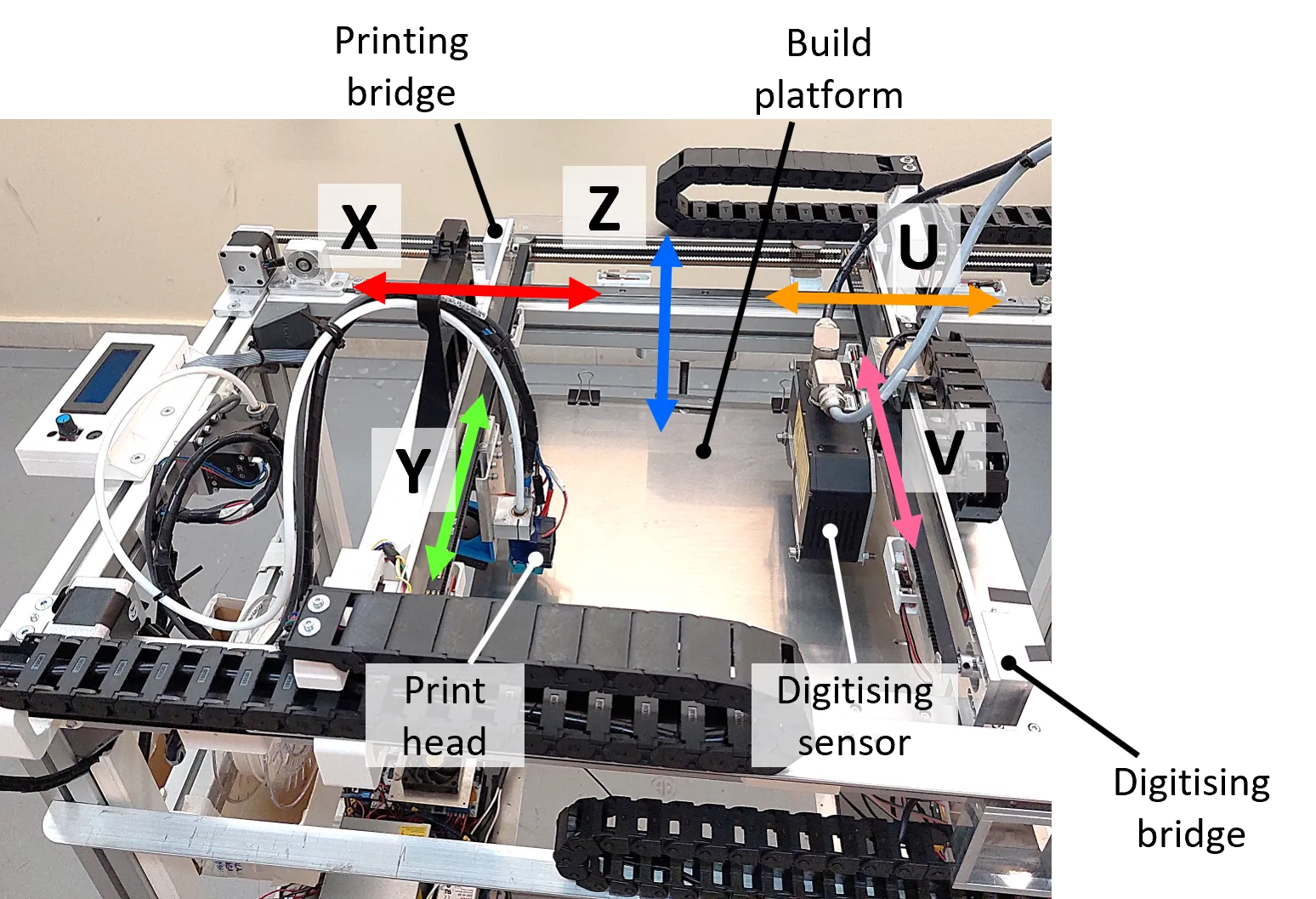
Abstract Additive manufacturing (AM) has faced challenges in achieving the part accuracy required for industrial adoption. Most research has focused on offline inspection of geometric deviations in test parts. This paper introduces a novel approach to enhance part accuracy and process control in Polymer Extrusion AM (MEX/P) by integrating in-situ [...]
Public Funding Project
Abstract This project addressed the improvement of the quality of metal components manufactured using material extrusion with a metal-filled feedstock (MEX-TRB/M), an additive manufacturing technology notable for its low cost and accessibility. The work focused on the shaping and chemical debinding stages, analysing how part quality evolves from the green [...]

Public Funding Project
Abstract The project aims to develop and optimize the additive manufacturing of metal parts using Metal Extrusion (MEX/M) as an alternative to conventional metal powder-based technologies, with the goal of reducing costs, energy consumption, and the risks associated with the handling of raw materials. The process uses filaments composed of [...]

Public Funding Project
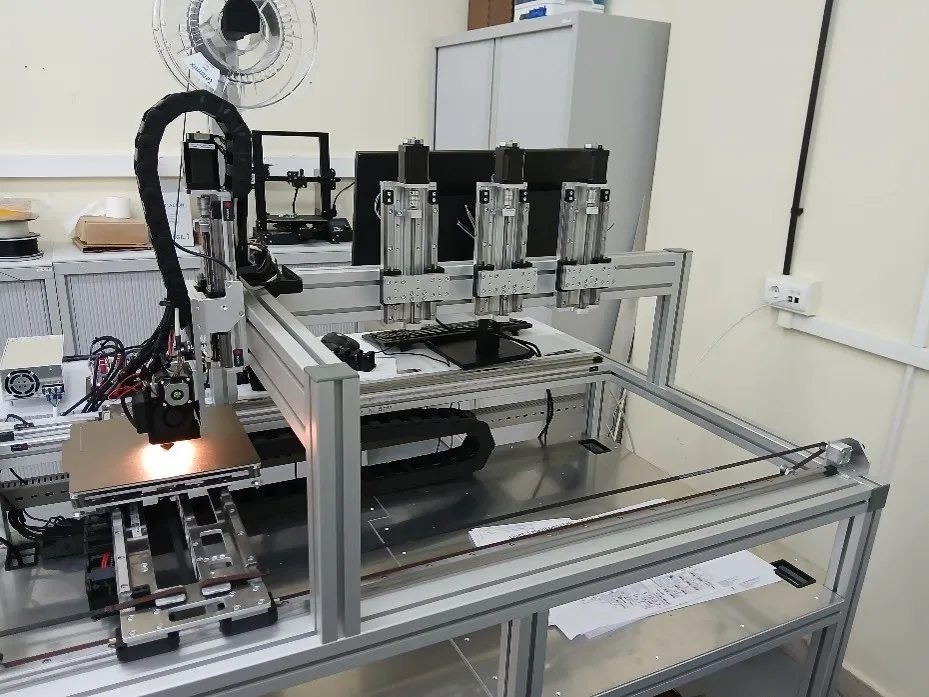
Abstract The TEDI project is a 36-month Erasmus+ Cooperation Partnership in Higher Education (KA220-HED) running from September 2024 to August 2027, co-funded with a grant of €250,000. Coordinated by Rzeszów University of Technology (Poland) alongside Kaunas University of Technology (Lithuania) and the University of Oviedo (Spain), TEDI directly addresses the [...]
Public Funding Project
Abstract The processes utilized for Additive Manufacturing (AM) production of metallic parts usually entail the use of hazardous feedstocks, expensive production equipment, and high energy consumption. Metal Material Extrusion AM (MEX/M) presents an alternative multi-step approach that addresses these challenges by additively extruding polymer-metal composite filaments, constructing a green part. [...]
Journal
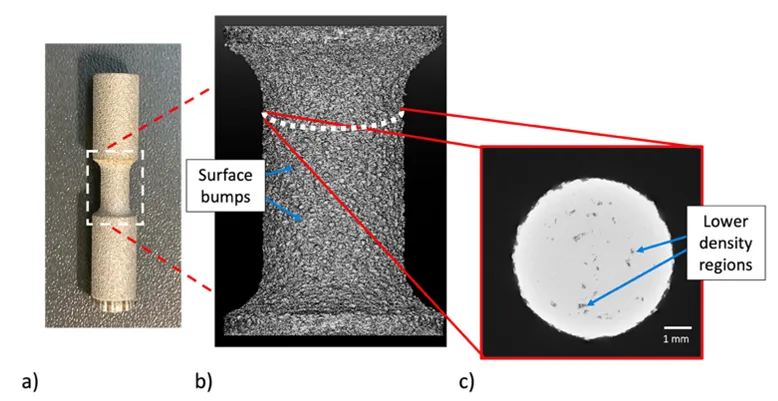
Abstract The implementation of in-situ sensing solutions to monitor additive manufacturing processes has seen a significant surge in recent years, notably in processes where localised heating is used. These technologies, however, have not always yielded accurate information about final part quality, due to differences between the irregularities observed in-process and [...]
Journal
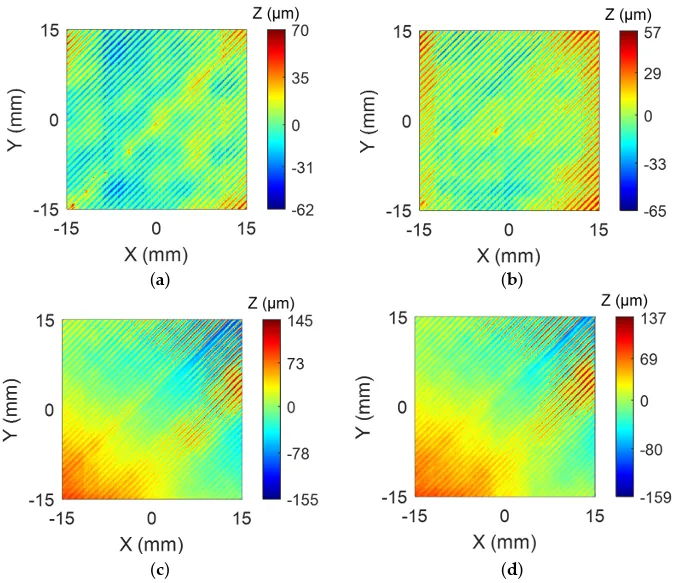
Abstract Material Extrusion (MEX) currently stands as the most widespread Additive Manufacturing (AM) process, but part quality deficiencies remain a barrier to its generalized industrial adoption. Quality control in MEX is a complex task as extrusion performance impacts the consistency of mechanical properties and the surface finish, dimensional accuracy, and [...]
Journal
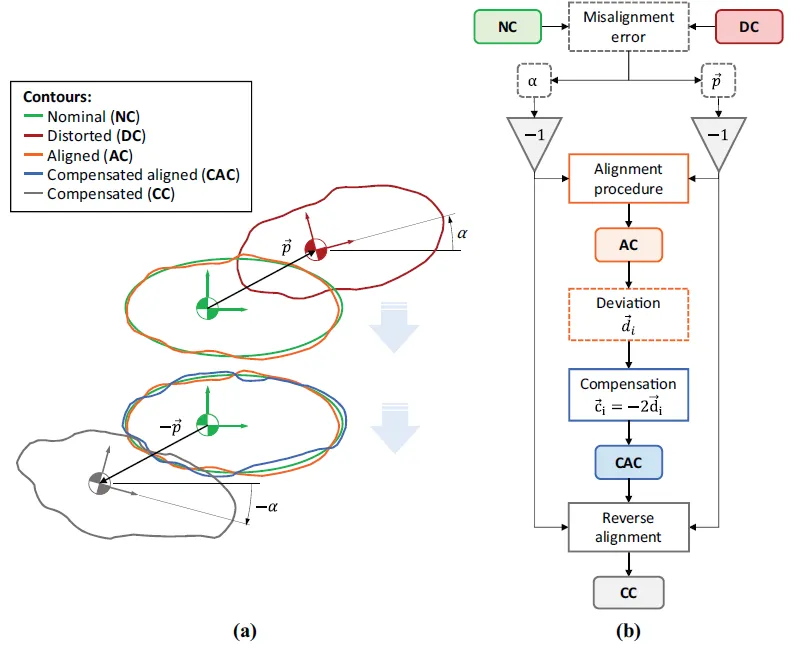
Abstract The purpose of this paper is to provide a new procedure for in-plane compensation of geometric errors that often appear in the layers deposited by an additive manufacturing (AM) process when building a part, regardless of the complexity of the layer geometry. The procedure is based on comparing the [...]
Public Funding Project
Abstract This project investigated the feasibility of using a non-contact 3D scanning sensor integrated into an additive manufacturing machine for the in-situ characterization of parts produced by material extrusion of thermoplastic feedstock (MEX-TRB/P). Unlike conventional ex-situ inspection methods, an integrated scanning system makes it possible to analyse layer topography during [...]
PhD Thesis
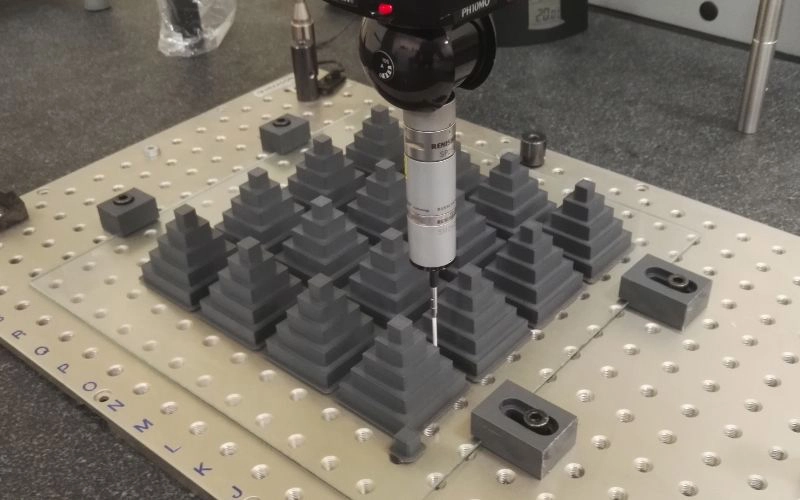
Type: PhD Title: Compensation of geometrical errors of parts obtained by fused filament additive fabrication Author: F. Peña Supervisor: J.C. Rico; G. Valiño Related Project: DPI2017-83068-P Date: 19/10/2023
Conference
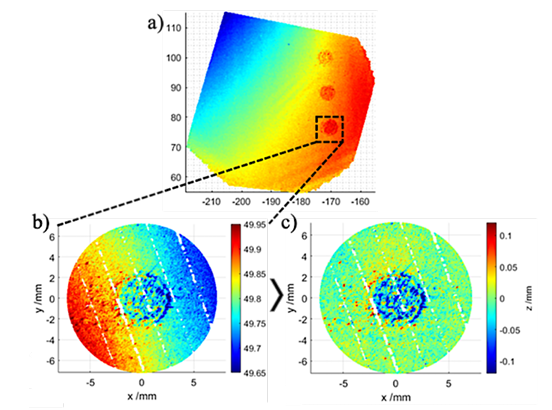
Abstract In additive manufacturing, special attention has been paid to the development of in-situ monitoring solutions for layer-by-layer build inspection. The investigation of such paradigms, however, has not always yielded accurate information about the final quality of the part, due to dissimilarities between the irregularities observed in-situ and the anomalies [...]
Conference
Abstract This work presents a material extrusion (MEX) additive manufacturing system equipped with layerwise inspection capabilities based on the CIS used in Epson’s Perfection V39 flatbed scanner. The sensor provides two analogue output signals, each comprising 2,584 voltage levels representing the amount of light reflected by the material. These signals [...]
Conference
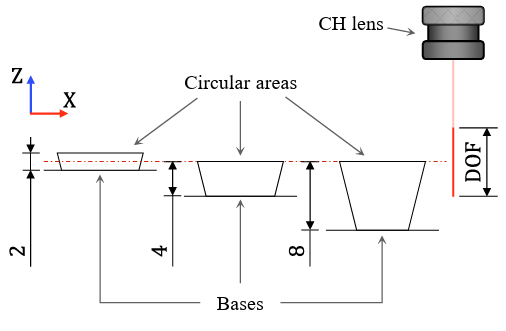
Abstract The lack of standardisation and persistent part-quality issues in additive manufacturing have highlighted the need for in-situ monitoring techniques based on different types of sensors. Each sensing technology offers specific advantages and limitations depending on the characteristics of the features to be analysed. This study investigates the feasibility of [...]
Conference
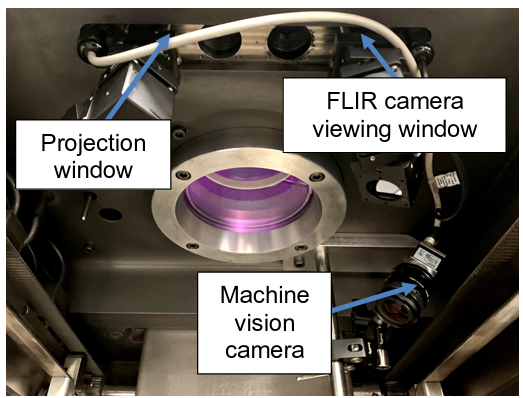
Abstract In metal laser powder bed fusion (L-PBF), the manufacturing process thermomechanical entails interactions complex that yield deviations from the nominal geometry. While these deviations are typically unwanted, not all are necessarily detrimental to the functionality of the part. In this paper, we describe a multisensing approach, where layer-by-layer in [...]
Conference
Abstract Despite the advantages of additive manufacturing, its industrial adoption remains limited by challenges related to part quality. As this quality is influenced by numerous factors, layerwise in-situ inspection has attracted increasing research interest as a means of detecting deviations during manufacturing and improving the quality of the final part. [...]
Master Thesis
Abstract This project develops a prototype printing head to integrate WAAM (Wire Arc Additive Manufacturing) technology into Triditive’s AMCELL 1400 printer. This would enable the company to manufacture metal parts using 3D printing and expand its market beyond polymer-based materials. The project covers a review of the state of the [...]
Master Thesis
Abstract This project involves the study, design, manufacture, assembly, testing and implementation of a Cartridge system for Triditive that preserves filament during printing and minimizes its degradation. The system removes moisture through both active (temperature-based) and passive (silica gel) methods. Based on an analysis of a previous company prototype and [...]
Master Thesis
Abstract This project involved the design, manufacturing, assembly, and commissioning of an additive manufacturing system with inspection capabilities. The manufacturing technology employed is fused thermoplastic filament deposition, while the inspection bridge is designed to accommodate different types of sensors. However, during the course of this project, the sensor installed on [...]
Conference
Abstract Currently, fused filament fabrication (FFF) additive manufacturing processes are limited by the dimensional and geometrical inaccuracies of manufactured parts. The need to make these technologies more competitive with conventional manufacturing processes has motivated numerous studies aimed at correcting manufacturing errors. To address this issue, this work proposes an online [...]
Conference
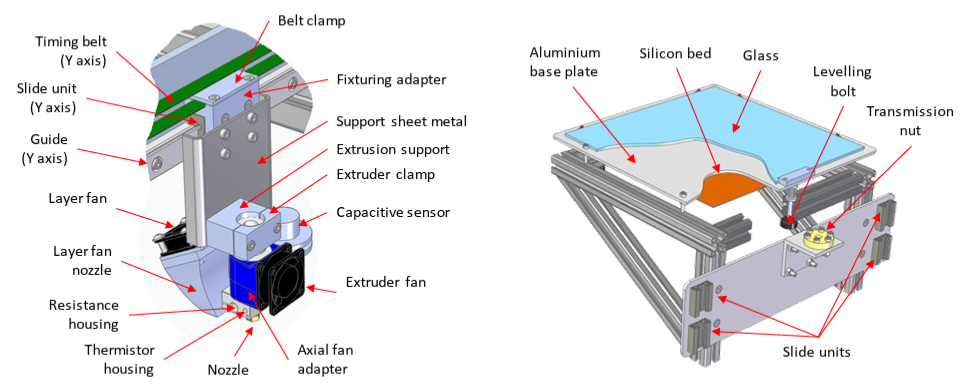
Abstract Industrial application of additive manufacturing (AM) technologies is subjected to limitations related to the lack of dimensional and geometrical accuracy of manufactured parts. Many works were dedicated to improve quality of parts manufactured by AM, but integrated solutions in commercial-type AM machines have not been achieved yet. With this [...]
Conference
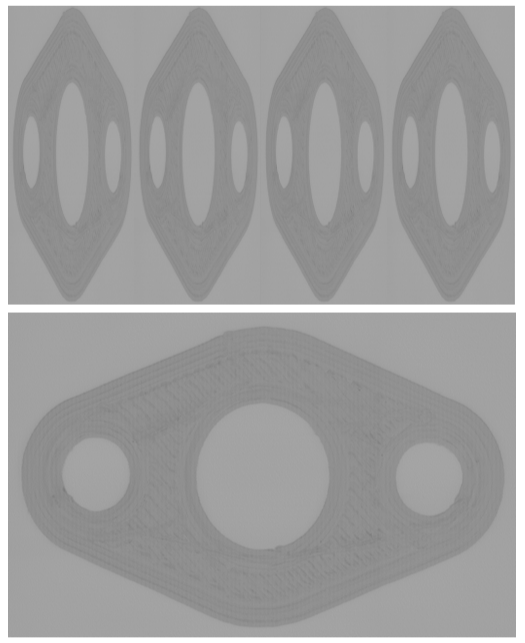
Abstract One of the limiting factors for industrial application of additive manufacturing (AM) is the lack of geometrical accuracy of manufactured parts. To improve precision, non-contact sensors should be integrated into AM machines, capable of performing in-situ inspection of the part and being able to detect and compensate for the [...]
Conference
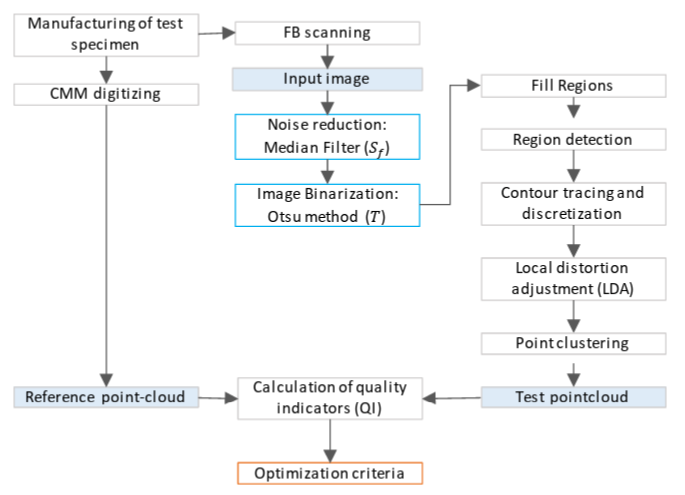
Abstract On-Machine Measurement adoption will be key to dimensional and geometrical improvement of additively manufactured parts. One possible approach based on OMM aims at using digital images of manufactured layers to characterize actual contour deviations with respect to their theoretical profile. This strategy would also allow for in-process corrective actions. [...]
Degree Thesis
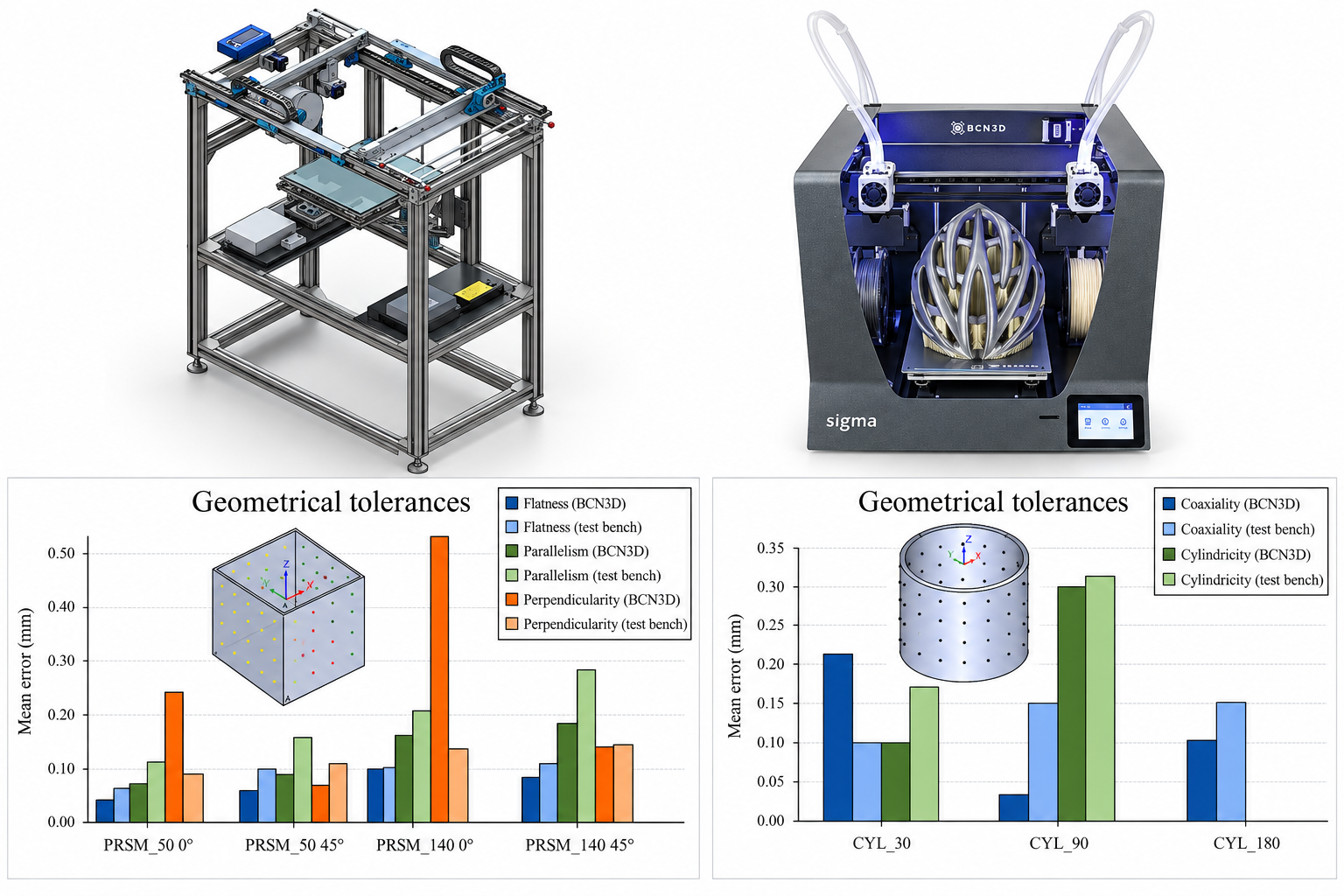
Abstract In this project, cubic and cylindrical parts were manufactured using two FFF (Fused Filament Fabrication) machines: a BCN3D machine and a test bench developed by IPF. The work was structured into two phases: the first focused on selecting and adjusting the manufacturing parameters through visual and metrological inspection of [...]
Public Funding Project
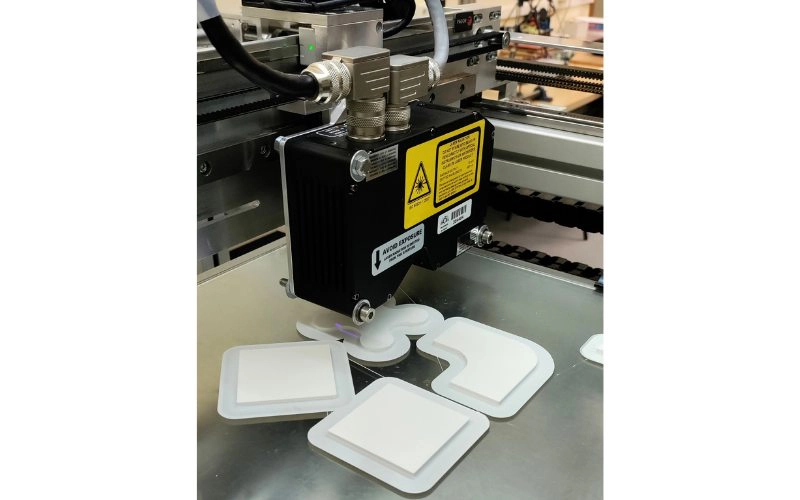
Abstract: Additive manufacturing processes are opening up a world of possibilities towards obtaining parts with complex geometry and adjustable properties. Its impact in sectors such as biomechanics, energy or aerospace is already appreciable, but the forecasts point to a real revolution linked to the development of different technologies of additive [...]
Journal
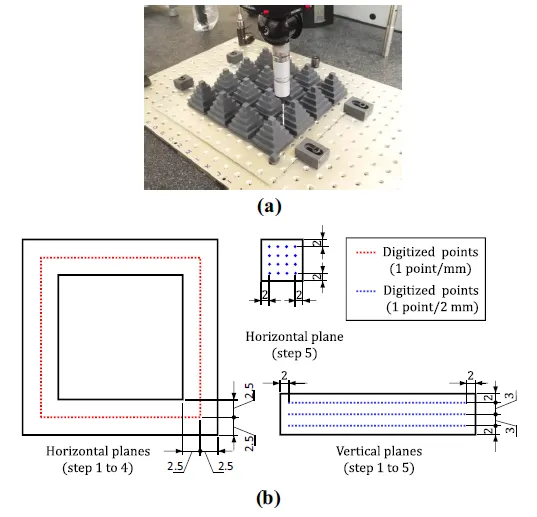
Abstract The lack of geometric and dimensional accuracy of parts produced by additive manufacturing (AM) is directly related to the machine, material and process used. This paper aims to propose a method for the analysis and compensation of machine-related geometric errors applicable to any AM machine, regardless of the manufacturing [...]
Journal
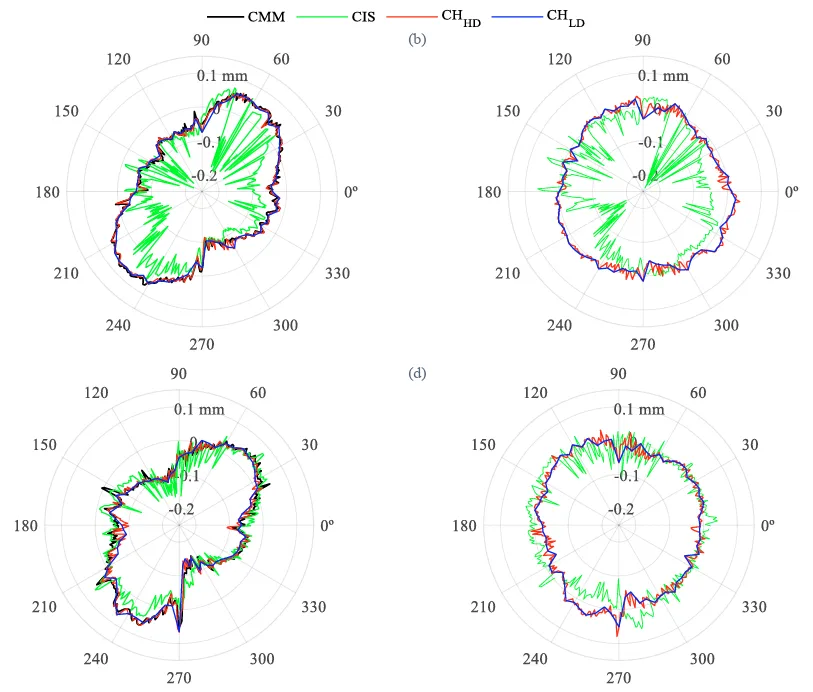
Abstract The lack of standardization and the low quality of parts produced by Additive Manufacturing requires in certain cases the use of in-situ monitoring techniques based on the use of different types of sensors, each of which has advantages and disadvantages depending on the type and nature of the signatures [...]
Journal
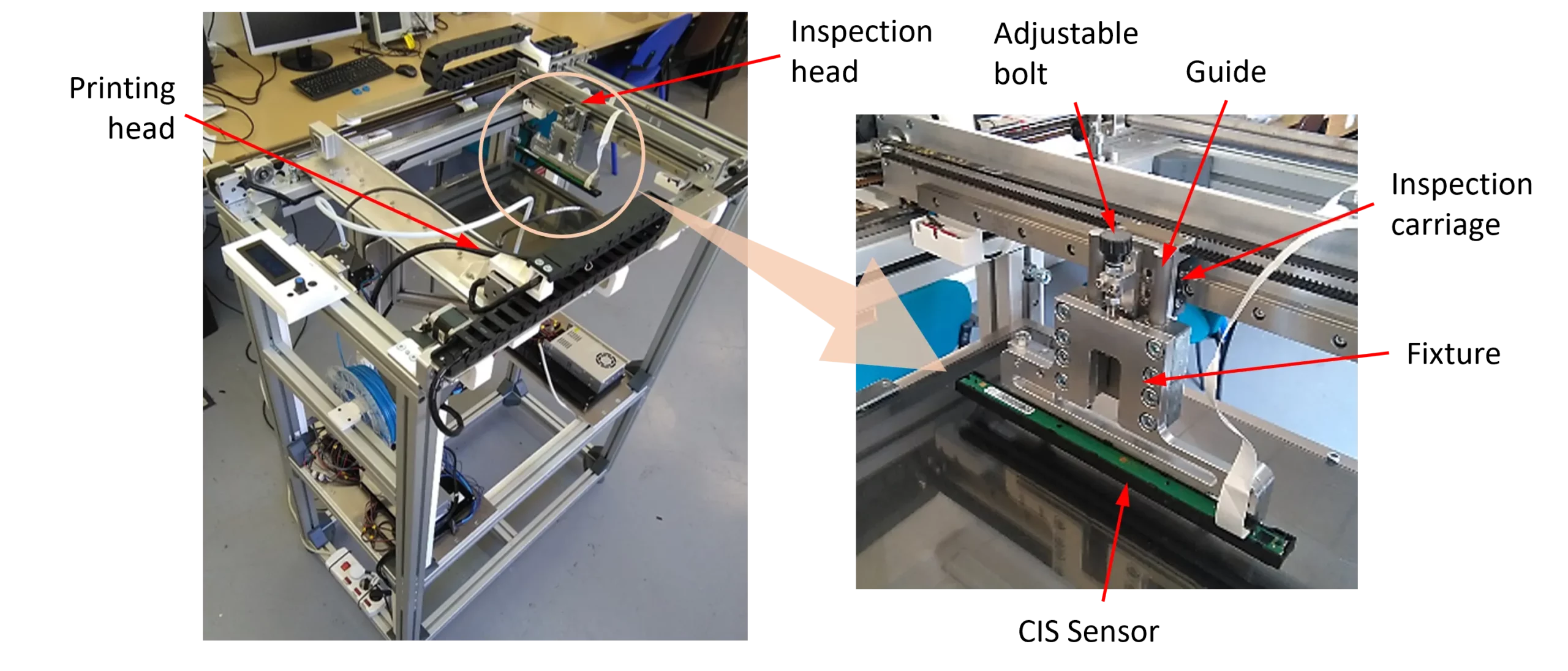
Abstract A notable constraint to the industrial application of additive manufacturing processes is the lack of geometric accuracy of the parts produced. In-situ inspection systems, therefore, need to be developed to detect and compensate for any geometric deviations that appear during the process. This article proposes a noncontact system for [...]
Journal
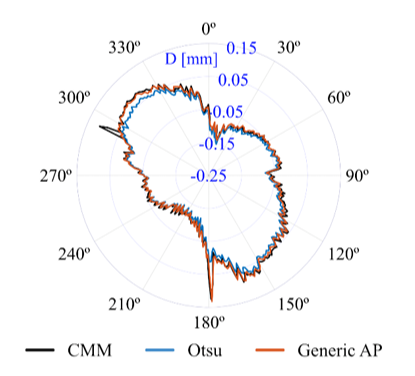
Abstract On-Machine Measurement adoption will be key to dimensional and geometrical improvement of additively manufactured parts. One possible approach based on OMM aims at using digital images of manufactured layers to characterize actual contour deviations with respect to their theoretical profile. This strategy would also allow for in-process corrective actions. [...]
Journal
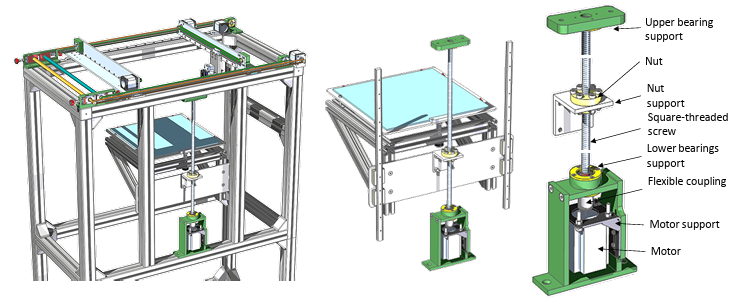
Abstract Industrial application of additive manufacturing (AM) technologies is subjected to limitations related to the lack of dimensional and geometrical accuracy of manufactured parts. Many works were dedicated to improve quality of parts manufactured by AM, but integrated solutions in commercial-type AM machines have not been achieved yet. With this [...]
Journal
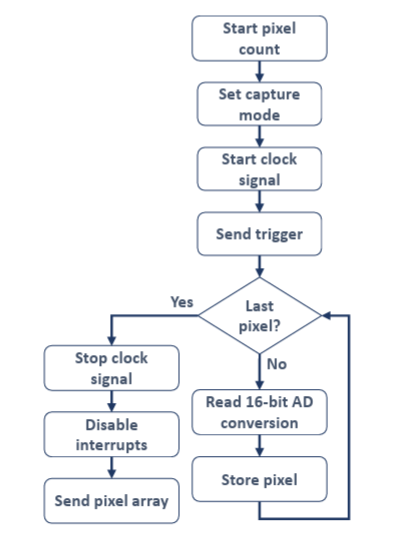
Abstract One of the limiting factors for industrial application of additive manufacturing (AM) is the lack of geometrical accuracy of manufactured parts. To improve precision, non-contact sensors should be integrated into AM machines, capable of performing in-situ inspection of the part and being able to detect and compensate for the [...]
Journal
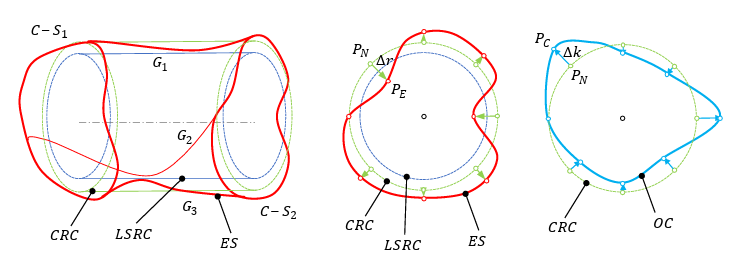
Abstract The dimensional and geometrical quality of additively manufactured parts must be increased to match industrial requirements before they can be incorporated to mass production. Such an objective has a great relevance in the case of features of linear size that are affected by dimensional or geometrical tolerances. This work [...]