Publications
Abstract The project explores the possibility of using additive manufacturing (AM) of ceramic materials to produce ceramic tools for metal cutting. Among other advantages, this concept aims to manufacture ceramic tools with optimized cutting geometries, provide them with customized texturing of the cutting surface, generate [...]
Abstract Ceramic materials are gaining relevance in Additive Manufacturing (AM), although the lack of standardized process parameters limits the repeatability and comparability of printed parts. This study proposes an optimization procedure for the fabrication of alumina (Al₂O₃) components using Fused Deposition Modelling (FDM) with a [...]
Abstract The company DOGRAM is involved in an international CDTI project, entitled PV-Box-Grow, in which it provides support for the assembly and dimensional verification of large-scale structures for mounting marine solar panels. The project combines “hybrid” non-contact measurements obtained using different reverse-engineering technologies and equipment [...]
Abstract: In this project, EPMAN conducted an in-depth analysis of AEGIS’s reverse engineering requirements. AEGIS manages a significant number of modification projects involving in-service train fleets, often with limited or outdated design information and little involvement from the original manufacturer. Based on this analysis, EPMAN [...]
Thesis
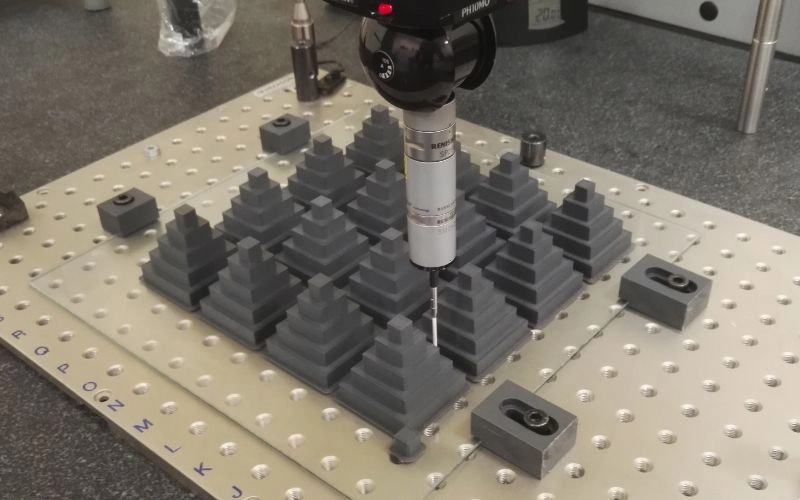
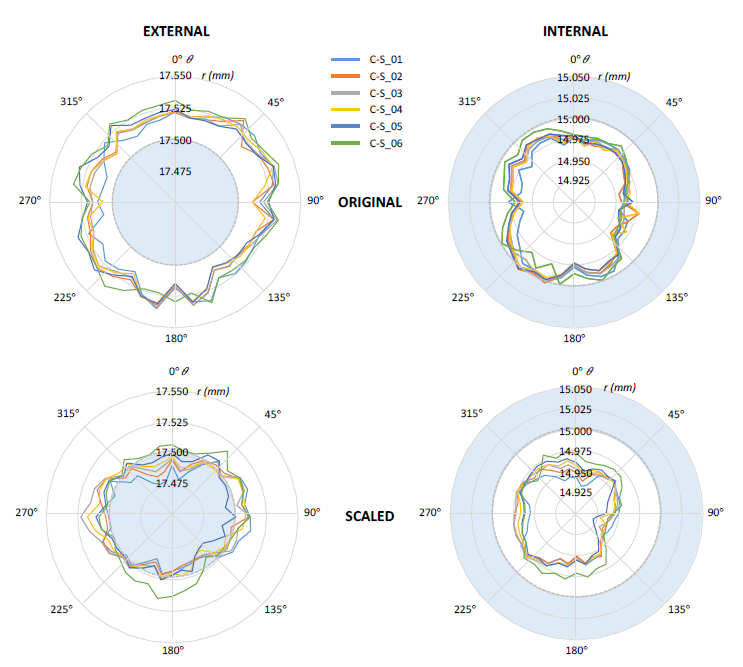
Type: PhD Title: Compensation of geometrical errors of parts obtained by fused filament additive fabrication Author: F. Peña Supervisor: J.C. Rico; G. Valiño Related Project: DPI2017-83068-P Date: 19/10/2023
Abstract Additive manufacturing has undergone a rapid development in recent decades, evolving from prototyping and individual part fabrication to fabrication of functional components and serial production. The progressive reduction of the cost per unit has transformed additive manufacturing into a viable alternative to conventional processes [...]
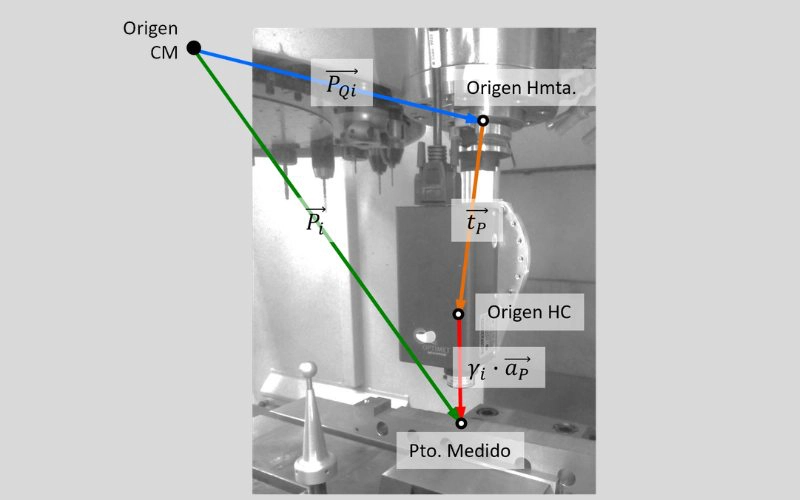
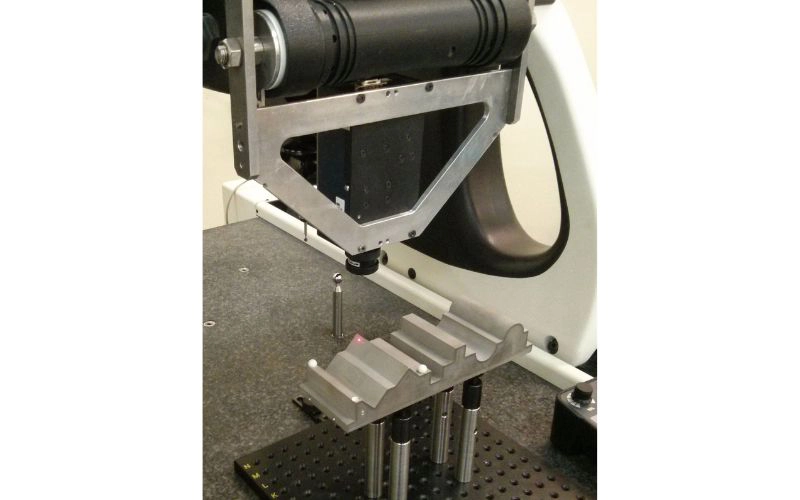
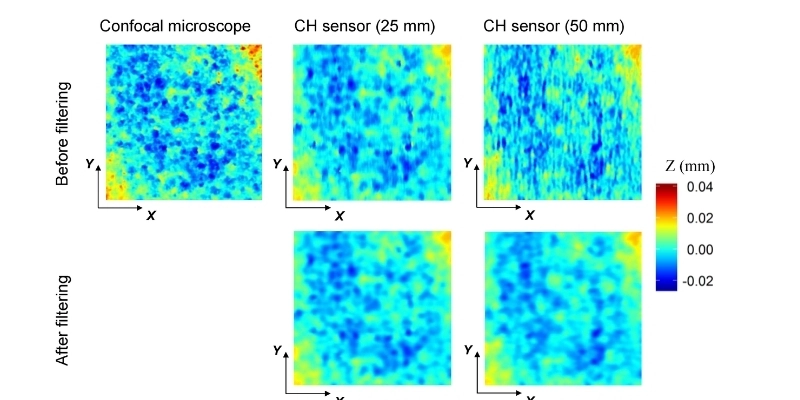
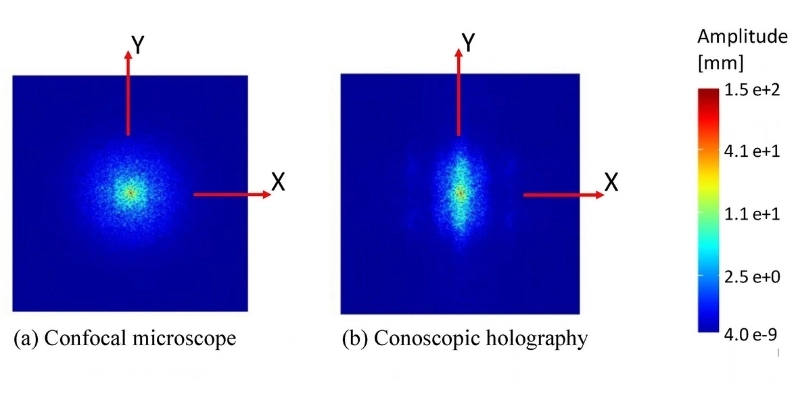
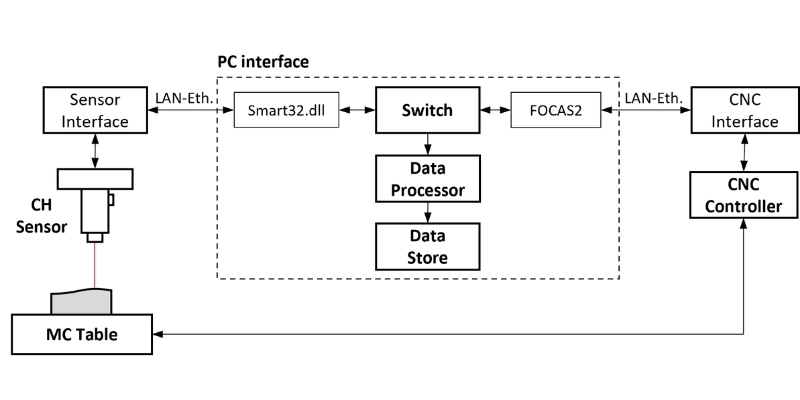
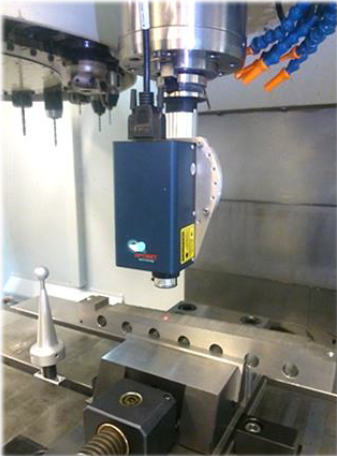
Abstract This Doctoral Thesis investigates the feasibility of integrating non-contact sensors based on Conoscopic Holography (CH) technology into CNC production machines for inspection and verification tasks. A practical integration methodology was developed, comprising three levels: physical installation of the sensor, calibration of the machine-sensor system, [...]
Abstract Filament-based material extrusion has evolved from a low-cost prototyping technique into a manufacturing process increasingly considered for functional and quality-critical applications. However, its industrial adoption remains constrained by a persistent traceability gap between planned process parameters and final part outcomes. During fabrication, heterogeneous monitoring [...]

Promoting entities